

Andrew Gosden
Disclaimer: this article contains details which may be upsetting for some readers. Discretion is advised.
The city of Doncaster sits in the north of England and is the second largest settlement in the county of South Yorkshire. Its history is extensive, with roots as far back as the 1st century CE and evidence of Roman habitation tucked beneath many of the modern day developments. The market has been running for more than 750 years, originally taking up the area around the former church of St Mary Magdalene - which has long since been demolished - and now takes place in the Corn Exchange building. The city survived through multiple outbreaks of the Plague across the centuries, growing and developing to a population of more than 300,000 residents today.
Doncaster joined the rail network in 1848 as part of the Great Northern Railway, with an aim to develop a railway running all the way from York to London, and the enormous Doncaster Carr railway depot arrived in 1876 with capacity to house 100 steam locomotives. Residential developments expanded in the 1850s as coal mining companies in nearby Barnsley searched for accommodation for the workers and their families. The city landmark of St George's Minster still stands as strong today as it did when building completed during the 19th century, attracting visitors both to view the architecture of the building and to take part in the church services which still run in the establishment.
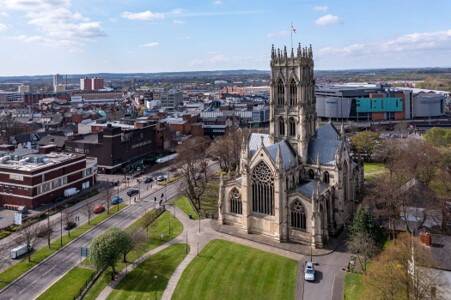
Image 1: a view across Doncaster
Today, the city is well-known for being the home to a popular horse racing course, the 400 animal residents at the Yorkshire Wildlife Park, and football team Doncaster Rovers. It's produced a handful of famous names, including Grand Tour and former Top Gear presenter Jeremy Clarkson, Last of the Summer Wine author Roy Clarke, football manager Kevin Keeghan, and The Vicar of Dibley actress Emma Chambers.
In 2007, however, the city would hit the headlines for all the wrong reasons when a 14-year-old boy left his family home and simply never returned, throwing his family and the city into the spotlight as a search for the schoolboy commenced. Nearly twenty years later, no sign of the young man has emerged and his whereabouts remain a mystery.
This casefile is about the disappearance of Andrew Gosden.
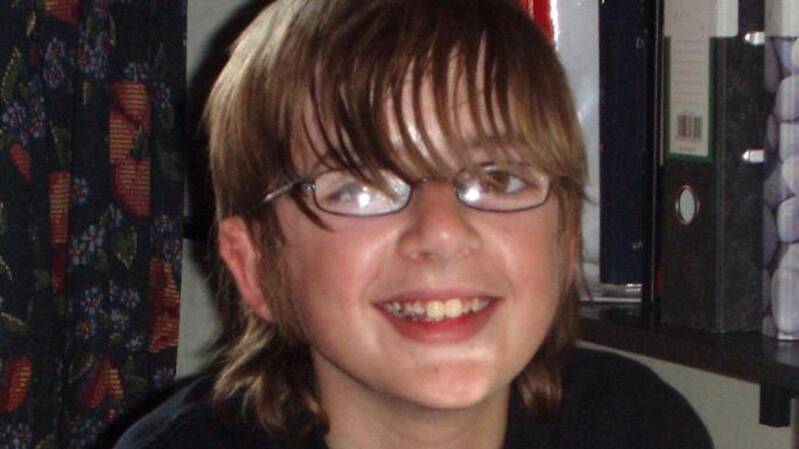
Image 2: a young Andrew Gosden
Andrew Paul Gosden was born on 10th July 1993 in Doncaster, South Yorkshire to parents Glenys and Kevin Gosden and as a younger brother to Charlotte. The family lived in Balby, a suburb of the Yorkshire city, with both of the Gosden parents having successful careers as speech therapists for the NHS.
Despite both Kevin and Glenys being devout Anglican Christians they chosen not to have their children baptised, believing that they should have the opportunity to make their own decisions as they grew in life, encouraging both of them to think for themselves.
Across all of the information available in the public domain, it's very clear that the Gosden family were a solid and close unit. Both parents encouraged open conversation between the family members and created an environment where the children were able to approach either parent with their problems. They enjoyed spending time together, whether it was at home watching television shows, eating together during the evenings, going out for the day or heading away on holiday together. Andrew particularly enjoyed visits to museums and attractions in London, especially locations such as the National History Museum.
Both Andrew and his sister, Charlotte, were encouraged to think independently and discuss their problems openly, fostering a trusting family relationship. It was therefore no problem to Kevin or Glenys when both children stopped attending church, with Andrew making this decision about 18 months prior to his disappearance, and when their son stopped going to Scout meetings in the months leading up to September 2007. Kevin Gosden would later comment on this, saying: '"I think he was partly following Charlotte in stopping church. We always made a point of saying to them that it was their choice whether they wanted to go to church. With scouts, he just said he was bored. He seemed to be going through a quiet phase, which we assumed would alter in due course."'
Andrew enjoyed spending his free time at home and was described as very much a home-bird by his parents - he would always let them know where he was going if he left the house, and if they weren't at home to tell them in person then he would leave a note, even if he'd only gone as far as the corner shop. His room was lined with books and things he loved, including copies of A Hitchhikers Guide to the Galaxy, the Harry Potter series and The Lord of the Rings trilogy. He had a pool table in the centre of the room and the walls to his bedroom were covered in posters of his favourite metal bands - it very much reflected the personal space of the teenager, full of his possessions and favourite things.
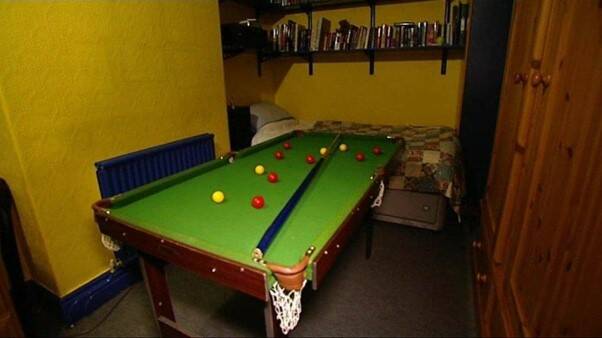
Image 3: Andrew's bedroom as it looked in 2009, two years after he disappeared
Andrew attended McAuley Catholic High School and excelled in his studies, being enrolled on the Young Gifted and Talented Programme for high achieving pupils which was rolled out across the UK at the time. It was a government scheme which aimed to enhance learning for the top-ranking 5% of pupils based on their grades, running additional learning sessions and events outside of school. As part of the programme, Andrew attended a two-week residential course at Lancaster University during the school summer holidays in 2006, something which he apparently thoroughly enjoyed - he returned full of enthusiasm, telling his parents about the experience.
By 2007 his GCSEs were on the horizon, with Andrew expected to achieve A grades in many subjects - especially maths, an area in which he was particularly talented. His sister Charlotte - two years his senior - had just completed her own GCSE qualifications, obtaining multiple A* grades. Despite Andrew's clear academic flair and his good experience at Lancaster University in 2006, he was described as having a somewhat neutral attitude towards school and had expressed no preferences or clear desires towards a future career path. Aside from speaking excitedly about the two-week residential course in 2006, he spoke little about his studies and school life to his family at home. Kevin Gosden later said: '"Andrew was too clever by half. He tended to say little about school, but we remember him coming back from summer school for gifted and talented kids, and he was absolutely enthused about what he had been doing. To be honest, I think Andrew saw school as something you sort of had to do just in order to have choices open to you for adult life."' In another interview, he described his son by saying: '"Andrew was/is very deep. He was the sort of person who would listen a great deal but not say much. When he did say something, it was generally worth listening to. He'd obviously thought about it a great deal from several different angles before reaching his conclusion."'
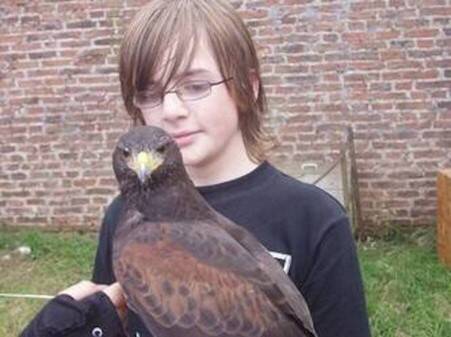
Image 4: Andrew Gosden
Although Andrew had a small group of friends at school, he never socialised with them outside of the school gates and didn't invite any of them round to his home. Despite the little information that Andrew provided to his family about school life, there was never any indication to his family members that there were any problems, and his friends didn't report suspicions of bullying towards him. The deputy head teacher of the school, Paul Grey, later spoke to the Times newspaper, saying: '"he's a very likeable, self-effacing boy. No one's got a bad word to say about him. This is not the sort of school where you can get lost in the system. If there had been any bullying going on, we'd know about it."' There was no indication that he was depressed or low in mood - he was quiet and shy, but was mature for his age, even though he looked a little younger than his 14 years.
The picture created of this young man by the Gosden family and the information handed out in the media shows a clever, academically gifted teenager with a peaceful home life, a loving family, and plenty of things which he enjoyed - reading, playing video games, visiting museums, listening to music, and spending time at home. There has never been any evidence of disruption at home - on the contrary, it sounded like the kind of family home and upbringing that many people aspire to. This only goes to make the events of September 2007 even more bewildering and inexplicable.
The Disappearance
For anyone who may not be familiar with the education system in the UK, students generally take their GCSE exams in the academic year when they would turn 16 years old. Exams are taken at the end of two years of intense study, starting from the September of the academic year when the student would turn 15. These are generally years 10 and 11 of a students school career, and are notoriously rife with stress and pressure.
Having turned 14 in the July of 2007, Andrew returned to school after the summer holidays to start year 10 of his academic life and the beginning of his two years of GCSE training. It was during the first couple of weeks of the 2007/2008 school year that the first unusual thing was noted.
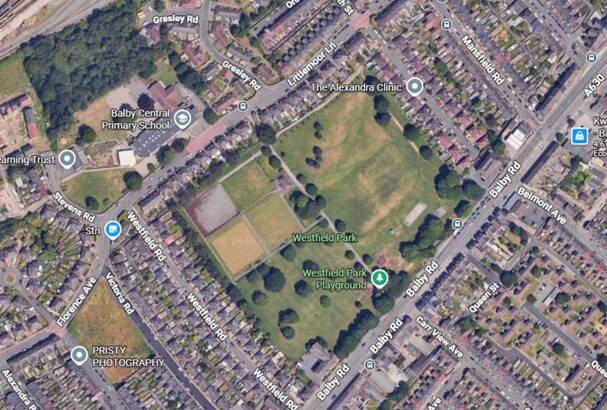
It was Andrew's normal routine to leave home at the same time each day, walk from the family home along Littlemoor Lane and into Westfield Park, cross the park and wait for the school bus at the designated bus stop. On his way home from school, he would do this journey in reverse - taking the bus from school, getting off at the stop near his home, and walking back up Littlemoor Lane to the front door of his home. However, on two occasions in the weeks leading up to his disappearance, Andrew chose to walk the 4 miles home from school, a distance which would have taken somewhere around an hour and a half - something which his parents to be a deviation to his routine and out of character for him.
Hindsight is a wonderful thing, and if anyone had the knowledge of what was to come they perhaps would have asked more questions as to why the 14-year-old had made such a break to his routine. But no-one could have foreseen what would occur on the 14th September, so the concept of taking a leisurely stroll home from school seemed like nothing to worry about or read too much into. And why would they? Andrew was 14 - old enough to be walking home on his own, and within a close enough distance to his home that one could argue he just wanted to enjoy the fresh air, get a little extra exercise or make the most of the tail end of summer. At the time, there surely would have seemed nothing to worry about.
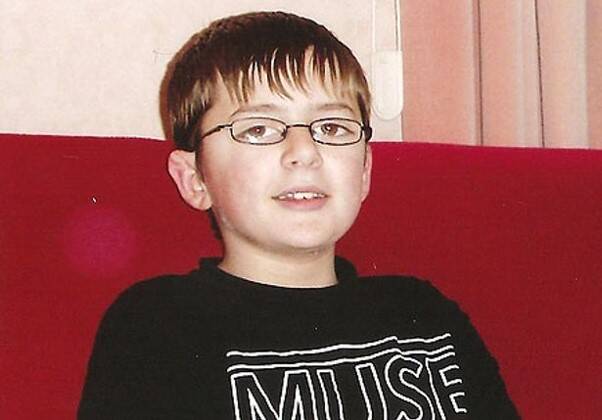
Image 5: Andrew Gosden
On the evening of Thursday 13th September, the Gosden family ate dinner together as normal, then all contributed to tidying up afterwards. Andrew and his father spent around an hour working on a jigsaw, with Andrew then migrating to the lounge to watch Mock the Week and That Mitchell and Webb Look with his mother in what the family would describe as a completely normal and uneventful evening. Kevin Gosden later said: '"the night before Andrew went missing we lay on the floor and did a jigsaw. It was an entirely unremarkable evening. We played games and did arts and crafts stuff with the kids a lot, ever since they were little. It's just what we did that night."'
The next morning - Friday 14th September - Andrew overslept and woke with a mildly irritable mood, something which was out of character for the amicable teen. He dressed in his school uniform and left the house at around 8:05am, shouting '"bye, see you later"' as he closed the door behind him, heading in the direction of Westfield Park as usual. Shortly afterwards, both of the Gosden parents headed to work, with Charlotte already having left the property, and the family residence fell quiet.
It didn't stay quiet for long, however. Just a short time later, a key was inserted into the front door and the figure of the youngest family member reappeared through the doorway. Andrew had gone into Westfield Park - and police know this to be the case, as he was seen walking there by a neighbour - but it appears that, rather than continuing to the bus stop as he did every day, he had instead waited amongst the trees and greenery until he knew that the house would be empty. He was captured on his neighbours CCTV camera walking back to the property and letting himself in.
Image 6: a satellite map showing Westfield Park in the centre with Littlemoor Lane to its north
Once inside his home, Andrew changed out of his school uniform and into a pair of black jeans and a t-shirt with a Slipknot design on the front - one of his favourite metal bands. He put a watch on his left wrist and donned a pair of trainers. He then placed his school shirt and trousers into the washing machine, hung his blazer and school tie on the back of his bedroom chair, and collected his PlayStation Portable (PSP), his wallet and his keys and slipped them into a black canvas satchel decorated with patches depicting his favourite bands. Although he took his PSP with him, he left the charger at home and also left £100 worth of gifted birthday money in his bedroom. He left the home at 8:30am without taking a coat or a jumper with him, again being picked up on the neighbours CCTV camera as he closed the front door and headed down Littlemoor Lane.
From the family home, Andrew headed in the direction of Doncaster Railway Station, stopped en route to take £200 cash out of an ATM. Although he had a total of £214 in his bank account, the machine would only allow withdrawals in increments of £20, meaning that Andrew was unable to remove the full sum.
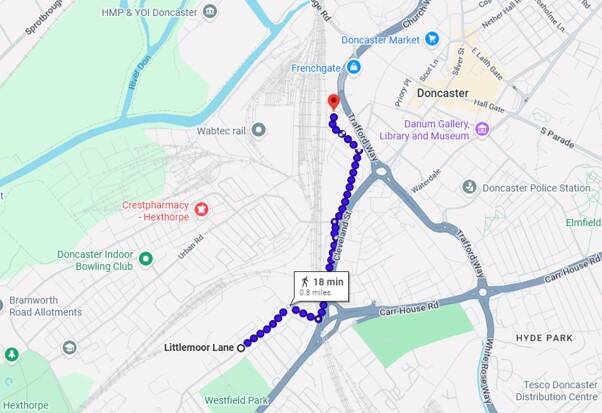
Image 7: a map showing a suggested walking route between Littlemoor Lane and Doncaster Railway Station
The walking route which Google Maps has suggested from Littlemoor Lane - where the Gosden family home was situated - to Doncaster Railway Station would take around twenty minutes, at a total distance of less than a mile. I'm not local to Doncaster, though, so there may be a shorter and quicker route or an alternative route which Andrew may have taken on the day. On the basis that he left home at 8:30am, his estimated time of arrival at the station should have been somewhere prior to 9am.
Once at the station, Andrew approached the ticket booth and asked the female attendant for a one-way ticket to London at a cost of £31.40, the price being significantly lower than a standard adult ticket due to it being purchased by a person under the age of 16. The ticket seller - who would remember serving Andrew as she thought he was too young to be travelling to London on his own - advised him that he could buy a return ticket for only 50p more than the one-way fare. Andrew declined this offer and, when asked if he was sure, was presented with a one-way ticket to the capital city.
The 14-year-old caught the 9:35am train heading south from Doncaster Railway Station. A woman would later recall sitting opposite someone who she believed to be Andrew Gosden, and reported that he quietly played on his PSP for the duration of the approximately 1hour 45minute journey.
Meanwhile, Andrew's absence had been noted by his teachers at McAuley Catholic school. The bright teenager had a 100% attendance record and had never been absent, especially without explanation. Keen to make his parents aware, the school called the number which they held on file but received no answer, subsequently leaving a message to inform them that the teen had not arrived for his morning classes. This, however, was where the first critical error would occur. Unfortunately, the school had called the wrong number, instead dialling the parents of a different child and leaving a message on the wrong voicemail. Kevin and Glenys Gosden would have no idea that their son was absent from school until they returned home from work.
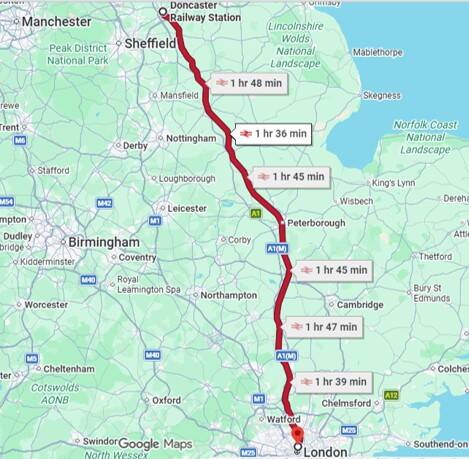
Image 8: map showing the train journey from Doncaster to King's Cross Station in London
The train which had left Doncaster at 9:35am pulled into King's Cross Station at 11:20am on Friday 14th September. Andrew Gosden disembarked and headed for King's Cross Station concourse, where he was seen on CCTV leaving the station. This was the last confirmed sighting of the 14-year-old.
That evening, the three other members of the Gosden family returned home as they normally did, going about their normal post-work or post-school routines. The family had not seen Andrew when they each returned, believing him to be tucked away in the converted cellar of the property playing video games on his Xbox as he usually would after school. It was only when Charlotte was asked to call her brother to the table for dinner that anyone noticed that something was amiss, as Andrew didn't appear from the cellar depths. A sweep of the house found no sign of the young man, but when Glenys found his blazer, tie, school shirt and school trousers in their respective locations they knew that he had, at least, been home. Still unaware that he hadn't actually appeared at school that day, Glenys and Kevin rang round Andrew's friends to see if he was visiting one of them - and it was only then that they were informed that their son hadn't attended any of his scheduled Friday classes.
The Gosden parents contacted South Yorkshire Police at 7pm on Friday evening. Charlotte Gosden would later say: '"it was complete panic. We initially thought something must have happened on the way to school. When we found out that he hadn't even been to school - even tried to go to school - that was even more worrying."' Kevin travelled along the route which Andrew would have taken to the bus stop and the subsequent route to McAuley school, even heading down some of the surrounding streets in case he had been involved in an accident and tucked himself away somewhere to hide. There was no option to contact the teenager directly - although he had been bought a mobile phone by his parents when he was ten, and another when he was twelve, he had either lost them or just never used them. When they had offered to buy him a new one, he had instead asked for the money to be put towards an Xbox. As a result, Andrew never carried a phone and would have no direct way to call for help or for anyone to get in touch with him.
The Investigation
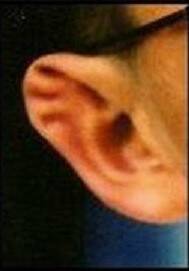
Image 9: the double ridge pattern on Andrew's right ear
The police, headed by Detective Inspector Martin O'Neill, risk assessed Andrew's case and placed the teenager in the highest risk category - a decision based on his young age and the fact that his disappearance was completely out of character for him. Kevin mentioned that his son wasn't very street wise and was perhaps a little absent-minded, something which made him particularly vulnerable, but also specified that he was deaf in his left ear. The Gosden family produced a missing poster within three hours of Andrew's disappearance being uncovered, describing the teen as being around 5ft 3in tall with brown hair, strong prescription glasses, and a distinctive double ridge pattern on his right ear - something which made him easily identifiable.
Family and friends came together during the evening and set about scouring Doncaster for any sign of the 14-year-old boy until it became too dark to conduct a sensible search. In September, the UK would still have been functioning on British Summer Time (BST), meaning that the daylight hours were extended and that twilight wouldn't set in until the later evening, providing a little more time outside.
Across the weekend, police searched hedging in a radius around the Gosden family home and spoke to his family and friends in case anyone could offer insight as to where Andrew may have gone, but no-one had any information. His parents, however, had a small inkling that - if their son was likely to take off anywhere - he may have gone to London. They had family in the capital city and had visited there often, sometimes to see relatives and sometimes to trawl round the many museums it had to offer. As we mentioned above, Andrew was particularly taken by the Natural History Museum but Kevin also remembered that he was intrigued by a Tutankhamun exhibition which was on show around the time. Could he have decided that seeing the exhibition was more interesting than going to school that day, and decided to risk a visit there? If so, why had he suddenly made the decision to skip school when he had a 100% attendance record and had never done such a thing before? Frustratingly, the Gosden family felt that police didn't take their suggestion that Andrew had headed to London seriously, and - despite his high-risk status - told the parents that it was likely their son would just turn up.
It was only when an appeal went out to the public for information about the disappearance of the 14-year-old, and when the parents persisted in making enquiries of their own, that Kevin and Glenys' suspicions were proven to be very well founded. The ticket seller who had provided Andrew with his one-way ticket to London came forward, as did the woman who had sat opposite the teenager on the south-bound train, and a man who had been in the same carriage as Andrew as far as Peterborough. South Yorkshire Police contacted the British Transport Police at King's Cross Station and asked them to review CCTV of the venue for any sign of him, but they came back empty handed after they were unable to pick the teenager out of the crowds of people flooding the station and its concourse.
By Monday 17th September, attention had turned to the city of London and members of Andrew's family in case he had asked them if he could stay there. They contacted Andrew's aunt in Chislehurst as well as his grandparents, aunt and uncle in Sidcup, but none of them had received communication from the teenager. Andrew's parents had suggested to him in the school holidays just gone that he might like to go and stay with his grandmother in London, but he had decided not to. At the time, his parents had put this down to the normal indecision of a teenager, but was there something more to it? Had he known that he would be heading to the city in September and decided to wait? There was so little information coming forward and it was impossible to know.
Extended members of the Gosden family rallied together to hand out leaflets and fliers in London - particularly around King's Cross Station and his favourite museums - in the weeks after 14th September. Kevin and Glenys alternated travel down to London between them, whilst also trying to maintain a stable home life for Charlotte. They considered a multitude of reasons for Andrew to have headed off alone to a place where a teenager could vanish amongst thousands of people. A couple of years prior, Charlotte had visited London to hand out her CV in banks along the Strand in the hope of drilling up some work experience - could he have gone to do the same? Earlier that year, Kevin had taken him to a concert in Sheffield - an experience which he had loved - so they started looking at concerts of his favourite bands which may have been scheduled in the city around the time.
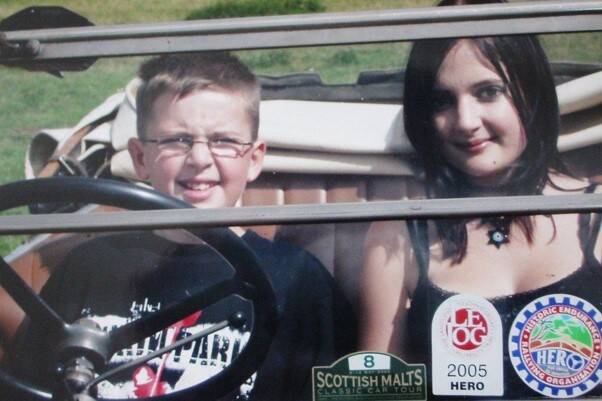
Image 10: Andrew and Charlotte
Thirty Seconds to Mars were booked to play at Brixton Academy on the evening of Friday 14th, and band SikTh were playing at the Carling Academy - a show which was a farewell tour that had been rearranged from a date earlier that year. It was going to be a one-off event, and the last show in which the original vocalist would perform, so it was considered a serious possibility that Andrew may have wanted to attend. Finnish band HIM were doing a promotional signing at the HMV store in Oxford Street on Monday 17th September, with an invitation-only show that same night in Soho, and the family spoke to the band to alert them in case their son turned up. Police appealed for those who had gone to these concerts or events to send any photos they had taken at the event to authorities for analysis, just in case a glimpse of the 14-year-old could be spotted amongst the crowd. One image did come forward which showed a person looking similar to Andrew in the crowd of the Thirty Seconds to Mars concert, but the quality of the image was poor and it was impossible to confirm if it was, indeed, the teenager.
His family assembled to attend a Muse concert at the O2 - a band which Andrew particularly liked - where they handed out missing person posters to the crowd, all the while keeping an eye out in case Andrew's face emerged from the audience. At other times, they simply walked the streets of London handing out papers and talking to strangers, just on the off-chance that one of them recognised him from his photo.
The police continued to search for any clue, no matter how small. A few reports of possible sightings drifted in, some of which sounded promising. For example, someone called in to say that they thought they'd seen Andrew in Pizza Hut on Oxford Street on the day he'd gone missing - a location which would have been a short distance from King's Cross Station. Kevin Gosden felt that this sighting was particularly promising - the manner in which the boy spoke and acted sounded very similar to his son. A call was submitted to police to say that he'd been seen again in the area of Oxford Street on Tuesday 18th September and had been sleeping rough in a park in Southwark. Someone reportedly saw a person matching his description, although wearing different and warmer clothes, disembarking a train at Mortlake Station in London on 19th, from where the person headed up Sheen Lane and along Richmond Road - ironically passing very close to the head office of the charity Missing People UK. There was a possible sighting in Covent Garden a month later on 17th October.
Although these should have been cause for excitement and hope, the sightings proved to be a cause of frustration and upset for the family. They reported that the sightings weren't followed up in appropriate time frames - the woman who had approached the young man in Covent Garden wasn't spoken to by police for six weeks. Six weeks. The delay in obtaining any more information is absolutely unthinkable, and one could only imagine what could have happened to the teenager in this time, or how much further away he could have gone.
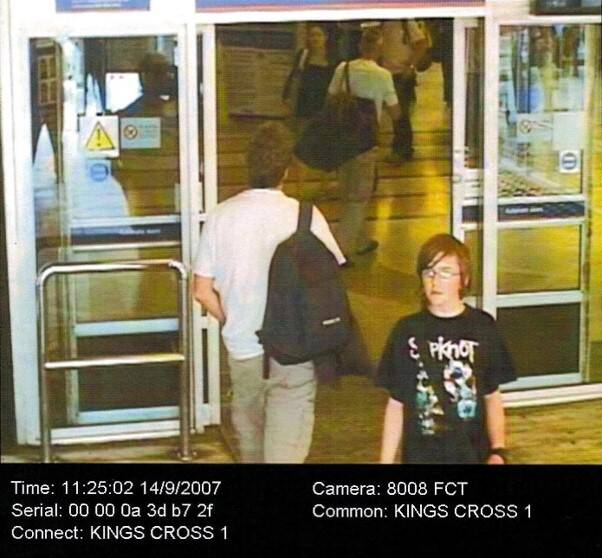
Image 11: CCTV still from outside King's Cross Station
This wasn't the first missed opportunity by authorities. Three weeks after Andrew vanished, South Yorkshire Police decided to reinvestigate the footage from King's Cross Station for themselves, and sent officers down to London to meet with the British Transport Police, trawling through the frames of still shots. Rather than taking a continuous video as we would see with most CCTV footage today, the camera snapped frames of still images in quick succession, meaning that the officers were looking through streams of unmoving pictures, watching people move jerkily from one place to another.
And there he was. There were only three images, but it was unmistakable. Andrew Gosden had walked out of the King's Cross Station concourse on the morning of 14th September, shortly after he had disembarked the train. He still wore the Slipknot t-shirt, the watch on his left wrist and the canvas bag flung across his shoulder.
So why - why - had it taken so long for this image to surface? How had it not been found during the initial search just a couple of days after Andrew walked onto the south-bound train? By the time the images were located and circulated to the public, it was 27 days since Andrew had walked out of King's Cross Station and 24 days since the footage was first reviewed. The lost time was absolutely critical - and not just because it meant that Andrew could have gone anywhere, met anyone or done anything. There was another crucial element.
If you are a regular reader or listener of Undiscovered and have checked out the case of Trevor Deely, you may remember how CCTV footage functioned at the time. Many shops and cameras used tapes on a revolving cycle which would reset every 28 days. This means that the tapes in the machine or systems are wiped then reused, losing the footage from the last 28 days to make room for new recordings. It meant that reels of tapes weren't being put into storage, but it also meant that any other footage from the radius around King's Cross Station which may have shown which way Andrew Gosden had headed was gone. This included footage not only from shops, street corners, petrol stations or commercial facilities, but also buses, taxis, the underground and overground trains. It was a major blow to the investigation, and surely a devastating development to the Gosden family. Kevin Gosden would later make a haunting remark of the King's Cross images: '"if we never see him again, that's going to be the last photograph of my son. That's what really gets you in the guts."'
The heart of any parent - or any human being in general - must go out to Kevin and Glenys with this thought. The concept of a grainy, still-frame CCTV image being the last known evidence of your child's movements is utterly unthinkable and almost impossible to process. To have no idea why your child has made the decision to go to that location, no way of contacting them and no indication of their intended destination must be terrifying and leave an unprecedented feeling of helplessness. To have a single, grainy CCTV image as the last evidence of the movements of your son must be harrowing.
Whilst the police waited for any sightings or information to trickle in from the now publicly circulated CCTV images, they set about searching technology devices for any online trail which may have been left by Andrew Gosden. Although the internet was nowhere near as advanced as it is today, chatrooms were in existence and social media was steadily growing, providing the possibility that Andrew may have been in contact with someone online and had arranged to meet them in person.
This theory was doubtful from the perspective of the Gosden family. There was only one computer in their household, a laptop which had been purchased for Charlotte and had been in the possession of no-one but the 16-year-old in the months prior to September 2007. The police forensically reviewed computers at McAuley Catholic school and at Doncaster Library, but there was no concerning activity which could be linked to Andrew, and no evidence that he had an email address or social media account. The consideration that he may have gone to London to attend a YouTube event fell by the wayside, too, when no evidence was found that Andrew watched anything on the website. South Yorkshire Police even contacted Sony, the makers of the PlayStation Portable which Andrew had taken with him when he left, and provided the serial number for the teenager's device, but the company were able to confirm remotely that the device had never been connected to the internet. No online account could be found for the Xbox which resided in the converted cellar in the Gosden family home, either. It appeared that Andrew Gosden had no internet presence at all, so the theory that he could have left to meet someone he had spoken to online faded.
As time began to creep on, reported sightings of Andrew were submitted in locations further and further away from London. Someone had seen him in a park in Streatham, South Wales, with someone else spotting him in Birkenhead - near Liverpool - and another sighting in Plymouth, Devon. None of these sightings were confirmed or led to significant movement in the case.
Police considered whether Andrew's disappearance may have had anything to do with drink or drugs, but his family strongly denied this and said that Andrew didn't even smoke, let alone engage with any stronger or harder substances. This consideration ultimately led nowhere.
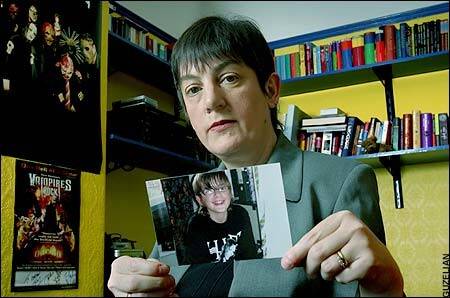
Image 12: Glenys Gosden in Andrew's bedroom with a photo of her son
The Gosden's struggled to deal with the pace and focus of investigations carried out by the police, describing the handling of the case as 'too slow, too chaotic and disorganised'. The family had reportedly been the ones who had spoken to the ticket seller at Doncaster Railway Station, obtaining information from her that the police had yet to uncover in the immediate aftermath of their loved one's disappearance. They also managed to track down the man who had sat near to Andrew on the train as far as Peterborough, in addition to the lady who had sat opposite the teen. The family had approached their neighbours to review the video from their CCTV camera, seeing Andrew return to the property before leaving again at 8:30am. The family enquiries provided the early developments - evidence which surely should have been uncovered by police.
One of the most significant concerns appeared to be the police focus on the actions of Kevin Gosden around the time his son disappeared. He was questioned repeatedly and felt that he was treated as something of a suspect, something which the family argued took the focus away from searching for their son in London. He was found to have left the property voluntarily and of his own accord, so why was so much focus given to the movements of the family patriarch? No members of the Gosden family were ever found to have had any involvement in Andrew's disappearance, or any advance knowledge of what he was planning to do.
Three months after Andrew Gosden disappeared, the pressure finally reached a peak for Kevin Gosden. He would later describe how he had a nervous breakdown as a result of the constant travel to and from London in the search for his son and the frantic efforts from the family to uncover information, ultimately making an attempt to take his own life in December 2007. This attempt was very fortunately interrupted by their neighbour - a vicar - who chose that particular moment to make an unannounced house call. Hearing a commotion in the property, the neighbour let themselves in and acted quickly to save the then 41-year-old and call for emergency services. Kevin spent several hours unconscious, waking in hospital and going on to spend 15 weeks under their care. He spoke to The Times newspaper in 2008, saying: '"I had reached a point where I was so despairing, discouraged, frustrated and angry with life that I was not in my right mind at all."' Glenys, his wife, spoke at the same interview: '"It's been an amazingly difficult time. I felt I was the only one really holding the family together while also keeping my job going. I was feeling the loss of someone too, but the emotional support which I needed from Kevin had been severed."'
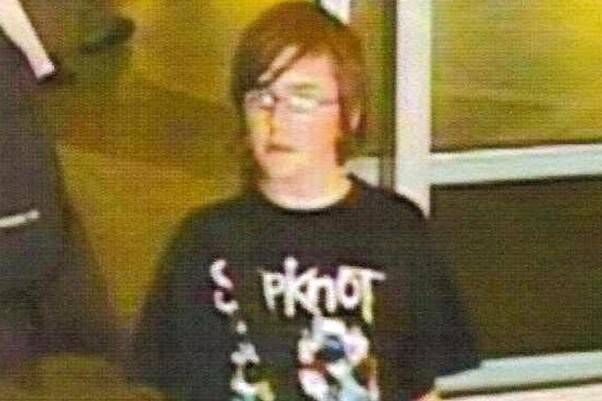
Image 13: a close up from the King's Cross CCTV images
Both Glenys and Charlotte received counselling in the wake of Andrew's disappearance, with the loss of their family member and the lack of knowledge as to what had happened to him being absolutely agonising for all members of the family. Right up until the morning of Friday 14th September 2007 they had been a completely normal, well-functioning and caring unit - now three members of that same family were facing the unbearable consideration that their son and brother had left not only of his own volition, but leaving his parents and sister without any indication as to what had happened to him. These were not the actions of the boy that they knew and loved, and trying to digest this concept must have been almost impossible.
The Telegraph newspaper published in 2008 that Glenys Gosden re-recorded the family voicemail introduction in the months after their son had gone missing. As well as inviting callers to leave their message after the tone, the recording also reached out to their missing son in case he ever made the decision to ring home, saying: 'Andrew, if it's you, please know that we love you, we miss you'.
Andrew's case was receiving a good amount of publicity into 2008, headed largely by the Gosden family who engaged with the media in a bid to bring forward new information. After his hospital stay, Kevin Gosden dedicated his time to spreading the word about his son's disappearance, and aimed to contact every single school in the UK with details of the 14-year-old so that both staff and students could keep an eye out for him. He had emailed nearly two-thirds of registered schools using authority lists available to the public, but was subsequently contacted by a commercial organisation who offered the use of their database of school contacts when they got wind of what the father-of-two was doing. Beyond contacting all schools in the UK, he planned to contact as many museums as possible with the same information, working on the basis that his son loved to learn and may have chosen to visit different establishments.
That same year, a man approached Leominster Police Station in Herefordshire. As he attended the station outside of normal working hours, the entrance door was locked and the only way to communicate with staff was via an intercom system. The man told an officer on duty via the electronic system that he had come to volunteer information about the case of Andrew Gosden, but by the time the officer had headed down to the foyer to meet the man, he had vanished. An appeal was made for him to come forward, and after Andrew's case was featured on BBC's The One Show a letter was received by the corporation claiming to be from the same man. It could never be ascertained if the letter was, indeed, written by the man who had presented at Leominster Police Station, but it claimed that Andrew had been seen in the area of Shrewsbury. Little was ever garnered from this claim, and the man in question never went back to speak to police.
Glenys Gosden spoke to The Telegraph reporter Cassandra Jardine in April 2008, stressing how the family simply couldn't fathom a reason as to why Andrew would choose to disappear. She described how her son was a quiet boy, that home life was peaceful and that there were no arguments between any of the family members. She said: '"our only thought is the Reggie Perrin theory - that, like one of his favourite cosmic characters, he just wanted to step out of conventional life. He'd just seen his sister get A-stars in her GCSEs and, even though he's just as bright - he's very gifted mathematically - maybe he wanted to step off the treadmill."'
The Fall and Rise of Reginald Perrin was originally written as a series of books and later adapted for television. The 1970s comedy TV series starred actor Leonard Rossiter in the role of Reggie Perrin, a man who reached a sort of midlife crisis and decided to escape his dreary life by faking his own death and going on to assume a number of disguises.
Is it possible that a 14-year-old would make the decision to walk away from their life with just £200 in their pocket and hope to start afresh? It would have been extremely difficult to start a new life as such a young person, especially without being recognised. £200 wouldn't have gone someone very far in 2007, so where would he have gone?
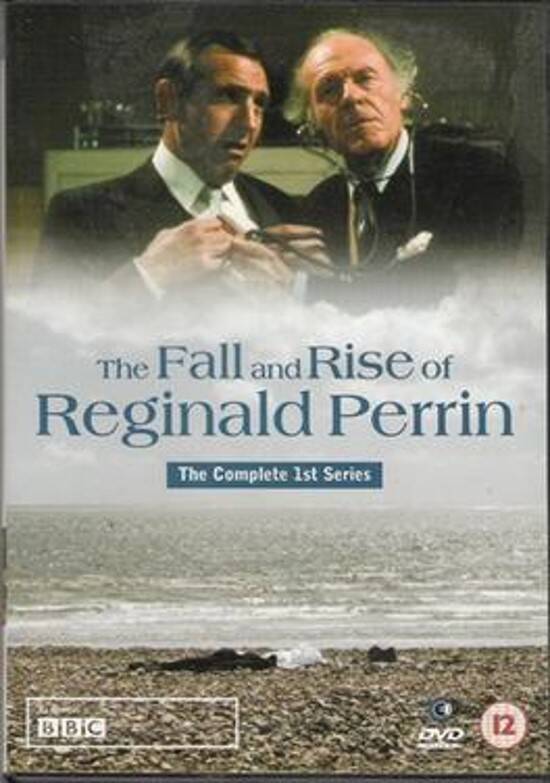
Image 14: the cover of the first series of the Fall and Rise of Reginald Perrin
On the first anniversary of Andrew's disappearance - Saturday 14th September 2008 - three coaches transported more than 150 staff and pupils from McAuley Catholic High School, as well as friends and Gosden family members, from Doncaster down to London where they distributed more than 15,000 leaflets in the hope that someone would come forward with new information. The huge collective effort to jog the memory of any possible witnesses showed just how much the community cared for the boy who would have turned 15 that year. The school had lost not only a talented pupil, but a valued and much-loved student, and it was clear that he was still very much in the thoughts of those who had taught him and learned alongside him. An article printed by The Times newspaper around the anniversary stated that 122 possible sightings of the teenager had been reported across the UK, with 45 of these being from the capital city. Despite this, none of these sightings had led to any kind of development in the case and all were unconfirmed.
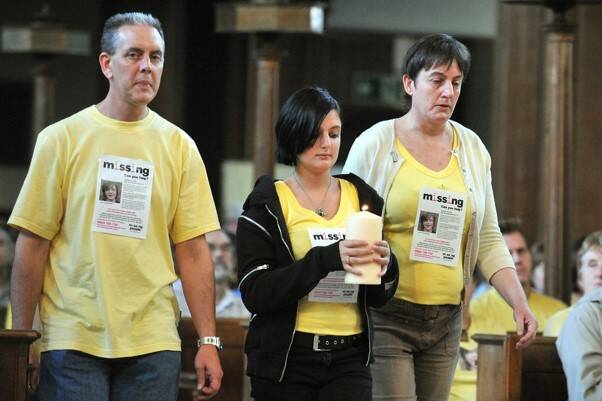
Image 15: The Gosden family at St James' Church in Piccadilly
The Gosden family were interviewed by The Times where they spoke of how they had been worried that Andrew may have been too scared to come back home. Kevin said: '"I was angry for a time. I wanted to ask him, 'what is so wrong with a middle-class, middle-income, emotionally supportive family that made you disappear out of the door?' But now I just want to hug him. Our door is always open, the answerphone is always on. Just tell us you are alive."' The family had attended a service at St James' Church in Piccadilly on the first anniversary of Andrew's disappearance, where they lit a candle for their missing loved one. Posters printed by the charity Missing People and displayed at the event showed a photo of Andrew and gave a description of the teenager.
During the same interview with The Times, the parents spoke about how they thought they had created a home environment where their children felt comfortable to talk to them about anything. Kevin said: '"you can't grow up in this house and think that nobody gives a damn about you. He knows how much we love him, so of course it's hurtful. You wonder, what is so wrong with us? What was so wrong growing up in a supportive family, going to a good school and having a bright future ahead of you? But then you think about Andrew, this boy who has always been so cheerful, who didn't seem to have any problems and who is the gentlest soul. It just doesn't make any sense."'
Charlotte spoke about how gifted her younger brother was. She had just finished her GCSEs when Andrew went missing, receiving 11 qualifications with nine of these being graded A*. She told the press: '"I can get the grades, but I have to work hard. He doesn't have to try. Nothing seemed to bother him."' Every interview conducted with the Gosden family just seems to reiterate the total bewilderment that this 14-year-old boy with such a supportive and loving family, and a bright academic future, would walk away without explanation.
Reported sightings of Andrew Gosden continued to trickle into authorities into 2009, with someone claiming to have seen him outside the National History Museum - a location we are already aware meant a lot to him - and a separate person saying that they saw him in a Southend pub. The Gosden family claim that, again, these sightings were not followed up by police.
In April 2009 the family appealed to patrons attending the Whitby Goth Festival to be on the lookout for their son and to contact authorities if they thought they had seen him. Andrew was known to be interested in the goth scene, as was his sister Charlotte during 2007. Charlotte had dyed her hair black and Andrew had been planning to do the same, with the family considering there to be a chance that someone attending the event may know something or have met the teenager in the 18 months since he had left home.
The family also considered whether Andrew may have been struggling with his sexuality around the time he went missing, and they approached members of the gay community to ask them to come forward if any of them had been in contact with someone who may have been the teenager. Kevin said: '"we are a pretty open family so have wondered if he was gay or struggling with his sexual identity and found it too awkward to raise. If he is gay, we don't have any issue with it, he is loved unconditionally by both my wife and I and his sister."' Whilst the family have always described themselves as being open and encouraging their children to talk about anything troubling them without judgement, there are perhaps always some things that people - especially teenagers who are trying to fight their way through the turmoil of growing and hormones - may not feel comfortable sharing. It can't be understated what a difficult period of life our teenage years are, and even the most laid back human being would surely have encountered thoughts and feelings during this time that they found too uncomfortable to talk about.
In July 2009, Andrew would have turned 16 years old. He would have finished his GCSE exams and be awaiting the results in the summer holidays, perhaps deciding if he wanted to continue on to A-levels and where his life would take him next. Kevin Gosden spoke to the media on Andrew's birthday to say: '"I still think his disappearance was spur of the moment. But who knows. It's all speculation. Doing all this publicity and talking about Andrew is hard, but I feel I have to do it for my son. I can never give up hope."' The family released an age-progressed image of how Andrew may have looked at the age of 16 - the teenage years are a time where we each change and grow rapidly, so the prospect that Andrew could look different to how he had two years earlier was very real. Teenage boys in particular tend to have their growth spurts later than their female counterparts, so the period of time when Andrew had been missing could have been a time of significant change in his appearance.
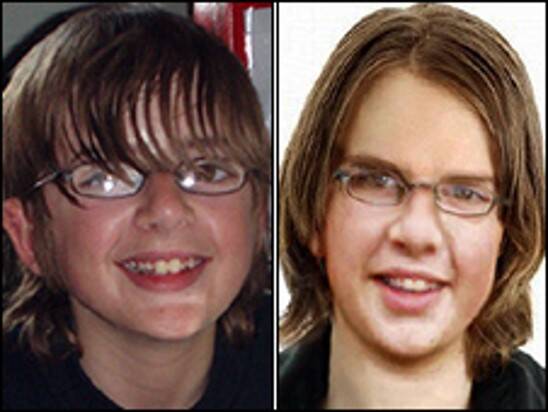
Image 16: Andrew as he looked at the time he disappeared (left) and an age-progressed image of how he may have looked aged 16
In the same year, the band Muse teamed up with the charity Missing People UK to help promote Andrew's case. They had been one of the teenagers favourite bands, with a family photo showed him wearing a t-shirt bearing their name. Dad Kevin attended one of their concerts at the Sheffield Arena on 4th November 2009 in the hopes that he might spot his son in the crowd. He spoke to The Mirror newspaper before the concert, mentioning when he and his son had attended a Muse concert previously: '"if it was at all possible I believe Andrew would try and see Muse again. When we went it was his first rock concert and he absolutely loved it. Some of the tracks they played were his all-time favourites. We're going to go to the gig and give out leaflets in the hope that somebody might spot him. I've really just run out of ideas now about appealing for information."' In the same interview, he talked about how he thought about the worst possible outcomes during his darkest moments: '"that's when I have the idea he may have fallen into the wrong hands five minutes from King's Cross. I can't bear the thought that he is suffering or being abused in some way. I would rather be told that he was dead than some ongoing abuse or suffering. At least that would be a conclusion and something we could try to deal with. One of the most upsetting things is that I find myself talking about Andrew in the past tense sometimes. But it's because the lad we had for 14 years, who was gentle, caring thoughtful and fun to be around, is not here anymore."'
Andrew would have turned 18 years old in July 2011. In his absence, his family marked the occasion by visiting their church - St James in Hexthorpe, Doncaster - to lay some flowers. It was shortly after this date that a forensic psychologist published a report on behalf of police which gave the opinion that there was a high chance that Andrew may be deceased. Kevin spoke on behalf of the family in response to this, saying that their worst fears may be correct: '"there is an outside possibility that he is still alive, but now we are thinking he is probably not. The forensic psychology report by the police came to the same conclusion. We suggested it in October 2007, and it finally arrived a few weeks ago. We wanted to know things like if a boy like Andrew, quite intellectual and self-contained, was feeling suicidal, how well would they be able to conceal it, and what the odds were that if he had gone to London that he would have encountered someone predatory. A few weeks ago we got the report pretty much confirming what we feared, that he is probably dead. It was what we felt, but it was still pretty tough seeing it in black and white from someone outside the situation. As a result, the police are now saying they are going to scale down the investigation, but the case will not be closed. None of the possible sightings has ever come to anything. We're still in limbo because there is no body. The forensic report said that, given that we don't know what his destination was, it may be we never turn up a body if he is dead. His mum Glenys has said the day he walked out it was like someone stuck a knife in us. Every time you move it hurts, and it is painful all the time. If his body was found, or if he rang to say he was alright, it would be like the knife being pulled out, and we could start to heal."'
In 2012, family friend and Kent businessman Barry Ford offered his Porsche sports car as a reward for information which would lead to locating Andrew Gosden. Barry said in a statement: '"in the very early stages I had hoped a reward scheme would assist, and to put a slight twist on this I have decided to offer my car as an incentive free of charge to anyone who can offer Kevin and Glen information which will determine Andrew's location. I still feel firmly that this situation will be resolved and the answer will be found, either by accident or by design, no matter I am sure you will agree we will accept it from any source at any time."'
In the same year - the year when the Olympics would come to the UK - the Gosden family paid for a private company to conduct an underwater search of the River Thames, using sonar technology to identify any anomaly beneath the water, but nothing significant to Andrew's case was found. It's unclear what information led to this search, but it's heart-breaking to think that, whilst the rest of the world and the UK were preparing for the excitement of the Royal wedding and the Olympic games, a family were dredging the depths of London's main river for their loved one.
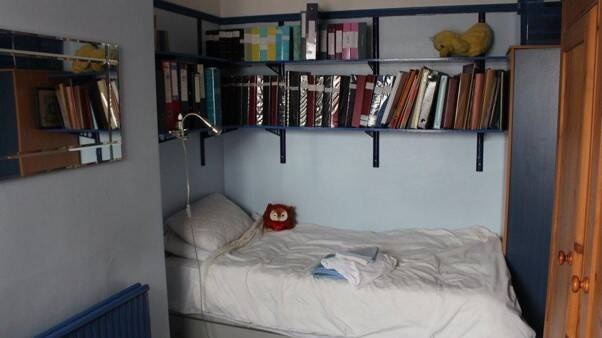
Image 17: Andrew's redecorated bedroom
Andrew Gosden's family kept his name and the unrelenting search for him alive across the years. They appeared on an episode of BBC's Panorama program in 2016, where the media were invited into the Gosden family home and shown around Andrew's bedroom. The room had been redecorated in the years since 2007, with the walls repainted from their previous sunny yellow shade, but lots of Andrew's possessions remained as a reminder of the boy who had occupied the room for so many years - if he ever came home, many of the items which were familiar to him would be waiting on the shelves.
Letting the media into the home and into the bedroom of a missing person is a huge decision for family members - the concept of your inner sanctum being broadcast on a television show can be invasive, but it's also an opportunity for Andrew to be seen as the human being he is, rather than a face on a missing person poster. It gives the public a more personal image of the boy who had walked out of the front door in September 2007, and could encourage people with information to come forward. Every piece of exposure across the years has been an opportunity to drill up interest and publicity for the case, in the eternal hope that someone will be able to provide the family with some answers.
In the tenth year of Andrew's absence, the charity Missing People UK launched their 'Find Every Child' campaign with his case at the forefront, pasting his details across billboards and advertisements across the UK. During the same year, the charity planted the FIND EVERY CHILD flower garden at Chiswick House and Gardens in London in a bid to raise awareness of the 140,000 children who were reported missing in the UK each year at the time, and was described by it's designer, Esra Parr, as '"a place of calm where people can remember their loved ones."' The charity also entered their own choir into Britain's Got Talent in 2017 where they used the opportunity to feature images of missing people in their performances - a tactic which led to one person being found.
Kevin Gosden played an increasing role in the Missing People UK activities, and would go on to become an ambassador for the charity, able to provide real-life experience to help others going through similar trauma and distress.
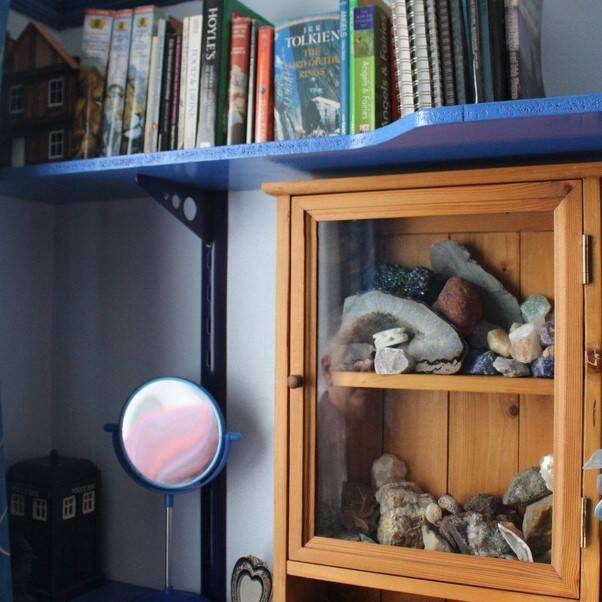
Image 18: another angle of Andrew's redecorated room
Kevin gave an interview to The Mirror in 2017 where he spoke about happy memories of family holidays - just another reiteration of what a close-knit family they appeared to be prior to 2007. The Gosden's had visited Malta and Cyprus in the past and the parents had taught Andrew and Charlotte how to snorkel, taken them swimming and even gone paragliding. He shared some previously unseen family photos with the newspaper, giving a touching insight into the life Andrew had as he grew up. Kevin also spoke about how Andrew's disappearance had affected his parenting, telling the publication: '"because of my mental state after Andrew disappeared I was unable to be the dad I wanted to be while Charlotte was still at home. We tried really hard not to change how we were with her but I still have guilty feelings over that. I have told her this and she hugged me and told me it was not my fault, as though I was some kind of idiot to ever feel that way."'
This interview also gave Kevin an opportunity to speak openly about his concerns around the early stages of the police investigation, and how the communication issues between forces had negatively impacted the case. He maintained that several areas of the investigation were botched in the critical stages which compromised the ability to find his son, and he remained frustrated that so much focus was placed upon him as the father rather than on the fact that his son had taken a south-bound train of his own free will. He added that British Transport Police and the parks police in London weren't made aware early enough of the fact that Andrew could be in the capital city, which deprived them of the ability to keep a lookout for the youngster in key areas. It took more than five years for Andrew to be listed on the Interpol website as a missing person.
As well as early sightings of his 14-year-old son not being followed up in the days after he disappeared, the family reported that considerations that Andrew may have been trafficked or picked by a gang targeting underage children were not taken seriously by authorities and weren't fully investigated. Kevin said: '"as far as I know, the police never followed that line of inquiry. It's one of the horrifying things that goes through your head even though you don't want it there. I feel that he was going to something and, somewhere along the line, he fell foul of somebody. He had a plan. We do not know where he went or what happened to him but that's one of the nightmare possibilities - that some sort of trafficking has taken place. One of the areas you could investigate would be talking to relevant convicts or ex-convicts. I'm sure you could try to get some answers by speaking to the right people."'
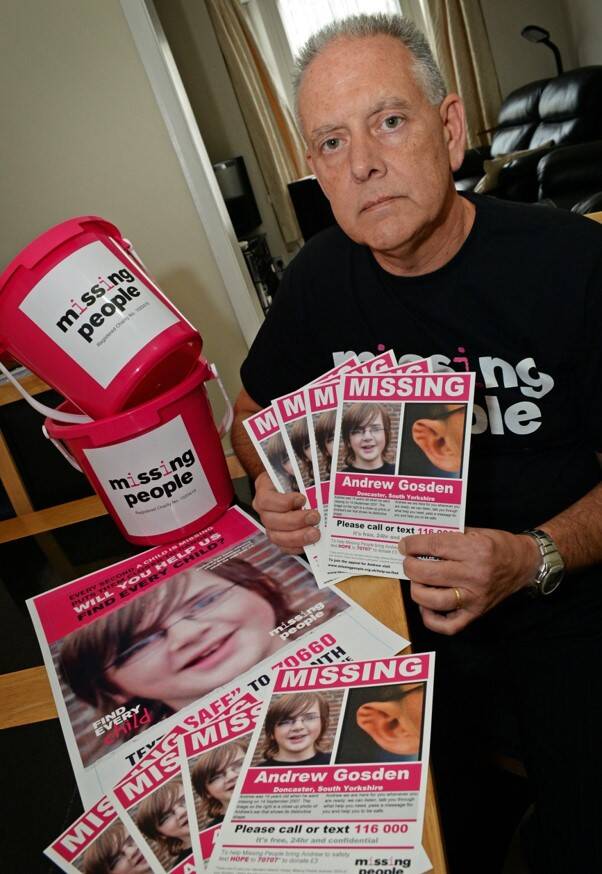
Image 19: Kevin Gosden with missing posters
In the decade since Andrew had gone missing, his father had written more than 100 letters of complaint to South Yorkshire Police relating to their handling of the investigation. He remarked: '"the letters I've written centre round various incompetencies, for example the CCTV not being recovered. There were hundreds of individual instances of poor police work. Very early on we had some really convincing sightings. There was also poor communication with us as a family as well, which continues to this current day. Here we are ten years on and we still have no answers."'
He hoped that the experience of him, his wife and daughter would be used to help the police to improve the way in which they treated families whose loved ones had gone missing so that no-one would have to go through the same additional trauma that the family had experienced, saying: '"I just don't want this to happen to other people. The police need to have something in place to deal with families in extreme distress in a sensible way. There needs to be more understanding of just how crazy and how out of your mind you are going when your kid's just disappeared. Now even a bag of bones would be a relief, to be honest, as it would at least let you grieve instead of living in limbo."'
Kevin gave his own opinion that Andrew would not return of his own accord, mentioning that he wouldn't have missed his sister's wedding in 2016 if he'd had an option to attend. He spoke of how his daughter still put work into finding her younger brother, saying: '"Charlotte has always and continues to do things searching for Andrew. She had a photo of Andrew on the memory tree at her wedding last year. My wife Glenys tends to conclude that Andrew is dead, but Charlotte and I tend more to feeling that without evidence of that anything is possible. Charlotte, like Andrew, is deeply intelligent. She got A's in everything and went to Balliol College, Oxford to study PPE - politics, philosophy and economics."'
At the time of the interview, Kevin worked as a cleaner at his church and supported with other jobs around the establishment which involved using practical skills. He spoke about how he had found the best way for him to personally manage the impact of the case and his emotions was to help and give to others. '"I concluded years ago that there are no adjectives to describe depression, anxiety, post-traumatic stress disorder. Nothing can convey the constant daily and nightly battles just to keep going. At various times I owe my life to my friends and family, the church, Missing People and to the Samaritans. I still do. Every single day, with some exceptions, remains a battle for me. As a family we all try really hard to be there for one another and love each other without limit."'
Charlotte spoke to the press about how she still referred to her brother in the present tense, commenting: '"that's the assumption until we know otherwise,"' although she admitted that it was becoming more difficult over time. She said: '"you've always got that nagging feeling of, 'is he still around? What would he be like if we met him today? Would I walk past my own brother in the street and not even know?'"' She spoke to BBC News in 2017, when she was 26 years old, saying to them: '"if there were problems and he was running away from something, or experienced any kind of depression or anything like that, I would have really hoped he could have spoken to me at least out of everyone. So I do struggle with that because I feel like, in a way, if there was something and he couldn't tell me then I feel like I've let him down as a sister, really."'
Sandy Murray, who had known and been a friend of Andrew's since they were just six years old, also spoke to the BBC in 2017. He split his work between Yorkshire and London, and said that even ten years on he would still keep an eye out for Andrew amongst the crowds in the capital city, saying: '"there's always that kind of little shadow, cloud, hanging on your shoulder, that this is where he was last seen. You see a face and you're like 'whoa, hang on, is that...?' and then you sort of catch yourself."'
In September 2017, on the ten year anniversary of Andrew's disappearance, South Yorkshire Police made a fresh appeal for information. By this time social media was widely used across the globe, and the authorities used their Facebook page to say that they had been reviewing requests for any optical prescriptions at similar strengths to the one issued to Andrew in 2007. In addition, they had reached out to the Passport Office, had requested National Insurance documents, and were in the process of circulating Andrew's DNA, fingerprints, dental records and health records. They were even reviewing reports of any male who had been admitted to hospital as a John Doe - an unidentified person - across the years, just in case Andrew had been admitted but had been unable or unwilling to give his name.
A promising report caught the attention of the Gosden family in June 2018 when someone contacted Kevin directly, believing that there was a chance they may have spoken to Andrew online. Kevin Gosden updated the public via the Missing Andrew Gosden Facebook page, stating that the person making the report had said that they had been communicating with someone with the username 'Andyroo' - a name which felt significant to the family as Andrew had been known affectionately to them as 'Roo'.
'Andyroo' had told the person making the report that they lived in Lincoln and worked in a shop. He had mentioned that he was trying to source extra money to pay his rent, as his boyfriend had left him and he found himself with a £200 shortfall. The person who contacted the Gosden family had offered to help 'Andyroo' by providing them with the additional funds, but - notably - 'Andyroo' had said that they couldn't accept a remote transfer as they had left home at the age of 14 and didn't have a bank account.
Kevin said that the report had been investigated quietly by the police so as not to alert 'Andyroo' and perhaps give them cause to disappear, but examination had failed to identify the user behind the online name. On the basis that 'Andyroo' had said that they resided in Lincoln, more than 5,000 leaflets were distributed around the city by volunteers, bringing forward four possible sightings - but sadly none of these transpired to be Andrew Gosden.
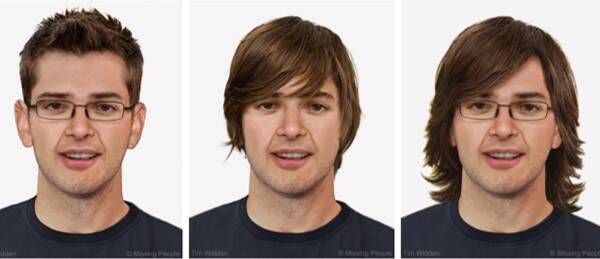
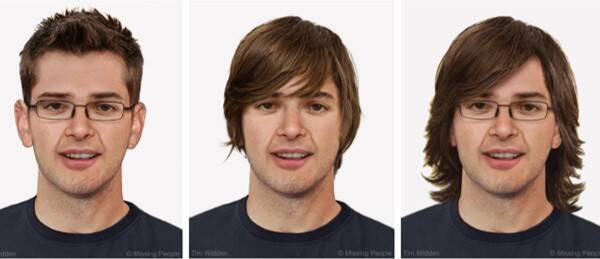
In July 2018, a series of age-progressed images was released by the Gosden family to show how Andrew may have looked as he turned 25 years old. He was pictured with different hairstyles and an image depicted him without his glasses in case he had perhaps had laser eye surgery or obtained contact lenses in recent years. The distinctive double ridge on his right ear is visible in only one of the images - the one where his hair is cut short - and is otherwise covered by long hair in the other pictures. This gave a vital insight into how Andrew may have changed since he disappeared - after all, the public could no longer be on the lookout for the same 14-year-old who had disembarked the train at King's Cross, as he was likely to have changed extensively in the years since.
Image 20: age-progressed images of Andrew Gosden, created by forensic artist Tim Widden
The band Muse again took part in a publicity campaign for Andrew's case on 12th July 2018 where they screened a cinema appeal for information during a showing of their Drones tour. It was entirely possible that fans of the band may have seen Andrew if he had attended one of their concerts across the years, and the opportunity to spread the word as much as possible was incredibly valuable to the case.
Nearly two years later in March 2020, Kevin Gosden and South Yorkshire Police appeared on an episode of BBC's Crimewatch Live, a roadshow version of the popular program, where they appealed together for people to come forward if they had any information - old or new - about the boy who would then be 27 years old. By then, of course, the UK was fast approaching the first COVID-19 lockdown, with opportunities for in-person interviews and further case publicity becoming significantly limited. Much of the possible publicity would have moved online, with social media playing a larger role.
It would be nearly two more years before a public announcement was made by South Yorkshire Police. On 8th December 2021, the force released a statement that two men - a 38-year-old and a 45-year-old - had been arrested on suspicion of kidnapping and human trafficking in relation to the case of Andrew Gosden. The 45-year-old was additionally arrested on suspicion of possessing indecent images of children. Although little detail was released about how the police were led to the two men, they were able to say that the arrests had been the result of an anonymous tip-off.
The pair were released on police bail as investigations continued, but not before their electronic devices were seized for forensic examination. The sheer quantity of devices obtained from both men led police to advise the public that examination could take between six months and a year for all data to be fully analysed. It would be nearly another two years before an update was released - South Yorkshire Police stated in September 2023 that both men had been released without charge, with the authorities now confident that neither man had any involvement with the disappearance of Andrew Gosden.
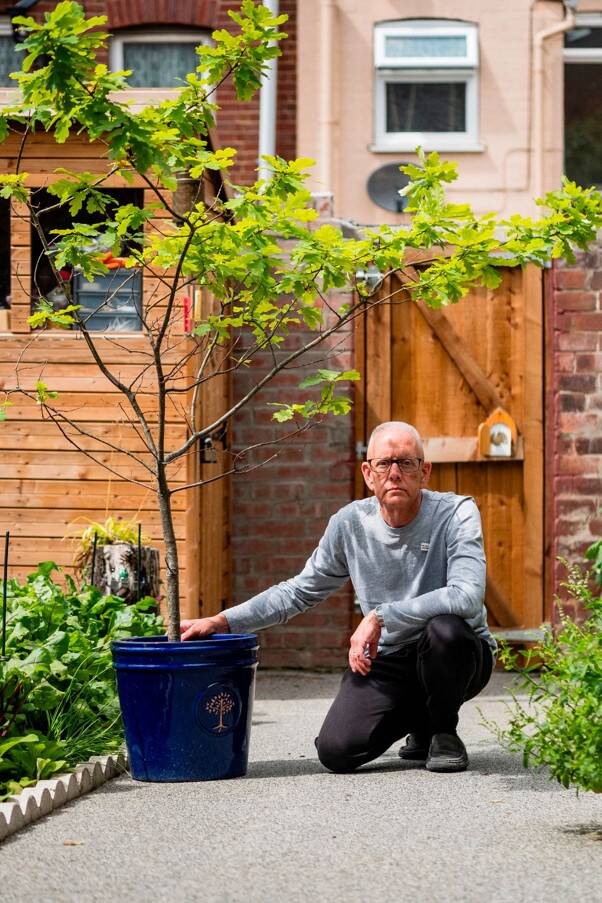
Image 21: Kevin Gosden with the oak tree
Kevin Gosden spoke to The Mirror again in July 2023 on what would have been Andrew's 30th birthday. He had now been absent from home for longer than he had lived there - a fact which wasn't lost on his family. Kevin told the publication: '"I've had nightmares for years now. Your brain goes through a lot of scenarios, most of them very unpleasant. It hasn't gotten any easier at all - it's harder the more time that elapses, the further away you get from any real clue or answer."' 'He mentioned how, prior to his disappearance, Andrew had spoken about an event that was going on in the capital city: '"it might sound ridiculous, but Andrew being stupidly intelligent, the only thing he actually even referred to about London before he went missing was the fact that they were having a Tutankhamun exhibition at the British Museum. He was interested."'
The dad remembered how Andrew had found out that acorns could grow into small oak trees, and the pair decided to try this out for themselves. They planted acorns in small tubs then watched and waited. On what would have been Andrew's 30th birthday, the acorn he had planted had grown into an oak tree standing 6ft tall. It had produced its first acorn in 2022, and is still lovingly cared for by Kevin. He now dedicates time to his role as an ambassador for the charity Missing People, hoping that the pain and suffering endured by him and his family can be channelled into something positive, and that other young people will be able to seek help from the right places if they need it.
Since the police announced that the two arrested men had been ruled out of the investigation in 2023, little has happened in the case of Andrew Gosden. In September 2025, articles appeared in several newspapers with comments from South Yorkshire Police warning against the spread of disinformation. They didn't specify what this caution related to, but quite rightly stated that such activity was '"distressing for Andrew's family and unhelpful to the investigation"'.
Beyond this, no other update has reached the public domain. Andrew's bank account hasn't been touched since Friday 14th September 2007, although his parents have reportedly continued to deposit money into the account every so often over the years, just in case he ever needed it. None of the 122 reported sightings have led to any significant development. Andrew Gosden has - quite literally - vanished without a trace.
Conclusion
Andrew went missing in the wake of the disappearance of Madeleine McCann in Portugal, something which absorbed the focus of media not only in the UK but across the whole world in May 2007. His case received far less publicity, perhaps because he was that much older than the 3-year-old and because he disappeared of his own accord, but the impact has been every bit as devastating. His family have been open and engaging with the media in the nearly twenty years since he walked out of the front door of their home, relentlessly keeping his name in the thoughts of the public in a bid to reel in any scrap of information. In doing so, though, they have provided a raw insight into the impact that the loss of a child can have on those left behind.
The family of four seemed to be every bit the family unit that many of us aspire to prior to 14th September 2007, but the fall-out from that day has spread across the last two decades. Kevin Gosden reportedly lost three stone in weight in the year following Andrew's disappearance, and has spoken openly about the lasting impact on his mental health and of the counselling support provided to Glenys and Charlotte. How does one even begin to process the emotions that this situation must bring? Not only struggling with the fact that their son and brother had chosen to walk out of the family home and disappear south without any word or known reason, but the subsequent intense questioning by police, the reports of sightings not being followed up, the lack of communication and the total wall of silence from their son must be utterly unbearable.
How does one deal with the unanswered questions? What if the possible sighting of Andrew in Pizza Hut on Oxford Street had been followed up quicker? What if the lady who reportedly saw him in Covent Garden was interviewed sooner? What if Andrew had been identified on the CCTV footage in the two days after he disembarked the train at King's Cross Station? What if CCTV had been obtained from buses, taxis, shops and streets after he was suspected to have made the London station his destination? How much further along could the case be, and could Andrew have been located? Did Andrew intend to return home that day? And perhaps the biggest question of all: why, why did a grade-A student with a loving, caring family and a bright future ahead of him decide to skip school and take a train two hours south to London on a Friday in September?
Andrew's family have had to move their lives forward in the best way they can without knowing what has happened to their son and brother, but their endless dedication to try to find out what happened to him continues to this day.
I would implore anyone reading or listening to this casefile to visit the website maintained by Kevin Gosden: Help Us To Find Andrew - Home. As well as providing information about the case and writing blog entries, the family have left a message directly to Andrew on the site - just in case he should ever see it.

Image 22: a missing poster with details of Andrew Gosden
People could speculate endlessly as to what happened to Andrew Gosden. Online forums and platforms like Reddit are full of suggestions and theories of where he could have gone, why he went to London and what his plans were - but they are simply speculation. The stark reality is that there is little to no evidence about his intentions that day, and even less indication about his motive to do what he did. If there was a particular event that he wanted to attend, surely his family dynamic was such that he only had to speak to his parents about it? If he wanted to attend a concert or an exhibition, why risk the consequences of heading out on his own without permission or telling anyone where he was going? There was never any evidence that he had an online presence, so if he had plans to meet someone when he got off the train how was he communicating with them? And what was he meeting them for? Had he been planning the day in the weeks beforehand, or was it a spur of the moment decision? Why did he leave without a jacket and without his PSP charger? Did he know that he could obtain a charger in London? Had he planned to return home or not? The questions are truly endless. His case has even been informally linked in discussion to that of Alex Sloley, a 16-year-old teenager who disappeared from London just ten months after Andrew vanished. It begs the question whether there may be links to other cases, something which has likely already been looked into by police. There is surely a lot more information behind the scenes and tucked away in police files which the public are unaware of.
Inspired by Andrew's story, television producer Rachel Ford launched a series on the BBC named 'Missing Live' which ran for a month and explored the cases of different missing people. It also discussed issues in the investigating and reporting of the more than 210,000 people who went missing in the same year as Andrew, with an estimated 100,000 of these being under the age of 16.
Adults who are reported missing may have a background of conditions such as depression, mental illness or dementia, be troubled by marital problems or attempting to escape debt. They may feel that their families would be better off without them, or be too ashamed to face the consequences of a situation and intend to never be found. In the case of children under the age of 18, they may choose to run away due to conflicts within their home, in an attempt to escape abuse, stress or neglect. There may be a background of bullying or loneliness, they may have grown up in poverty or be repeatedly exposed to domestic abuse. Those in the care system are particularly vulnerable. There are, of course, rare cases where a missing child is the victim of an abduction - either by a family member or by a stranger. The Safeguarding Network website also describes so-called 'pull factors' which may entice young people away from home, such as criminal exploitation where children are drawn into the world of illicit substances, sexual exploitation or the promise of an exciting future or environments where they are promised that they can safely explore their sexuality or gender.
The concept that a child who has none of these red flags, has a safe and secure upbringing in a financially stable, loving family, who has a good education and no reports of school problems could disappear with no warning is all the more baffling.
Complexities around the way missing person investigations are managed have been scrutinised over the years. The then chief executive of Missing People, Paul Tuohy, was quoted in a 2008 article in The Telegraph as saying: '"we need more coordination. A child-rescue alert system exists to send news flashes to radio and television stations, but the police have only used it three or four times in as many years; in the US, they use their 'Amber Alert' system much more often."' The need for a similar system internationally was brought to the attention of the European Parliament in Brussels during 2008 when Gerry and Kate McCann, parents of missing Madeleine, campaigned for a similar Amber Alert system which would help to track abducted children across country borders. We've already mentioned in this casefile how the involvement of different policing teams can complicate investigations, especially where communication isn't great, but having different police forces across different countries involved in a case would only go to exacerbate the issue.
Andrew's details took five years to be added to the Interpol database - a fact which was deeply frustrating for his family. Interpol, also known as the International Criminal Police Organisation, are an inter-governmental organisation covering 196 member countries and working with police departments in each country to investigate cross-border crime. To do this, they maintain a variety of systems and databases - including lists of missing people. Adding Andrew's details to this database would mean that his disappearance would reach international attention, meaning that authorities in other countries would be able to easily reach the right police force if he was ever found. It's unclear why it took so long for a vulnerable young man to be listed on this database - if Andrew had gone or been taken abroad, it meant that five years where this information could have been circulated and he could have been recognised were lost.
Across the years, technology such as number plate recognition systems, mobile phone tracking, and facial recognition in CCTV have developed. There are techniques available to police today which were still in their infancy twenty years ago. Despite this, there are still people across the UK who have been missing for years and are yet to be traced. There are thousands of families out there who live in a state of limbo, waiting to hear something from their missing loved one. There are the parents of other children who remain missing who just want answers.
Andrew Gosden's family have waited for nearly twenty years to find out what happened to him. They are desperate to know whether he is safe and well, or whether he is still alive. They have gone above and beyond in their own search for him, and have worked to try to improve the systems and support available for others in their situation. Andrew is a treasured member of their family, and they deserve answers. They deserve to have some form of closure so that - in the words of Kevin Gosden - they can start to finally heal.
If you have any information about the disappearance of Andrew Gosden, who was last seen outside King's Cross Station in London on 14th September 2007, please contact South Yorkshire Police via 101, or submit information via their website: Home | South Yorkshire Police
You can contact the charity Missing People on 116 000, or you can speak anonymously to CrimeStoppers by calling 0800 555 111 or by using their anonymous online form: Giving information anonymously | Crimestoppers
References for text:
Disappearance of Andrew Gosden - Wikipedia
No end to mystery on son's 16th birthday - Yorkshire Post published Thursday 9th July 2009, retrieved 10th June 2026
Missing children: 'Andrew, just tell us you're alive' by Cassandra Jardine, published 18th April 2008, retrieved 10th June 2026
A perfect son, a model family — so what made him run away? By Andrew Norfolk, published Saturday October 27th 2007, retrieved 10th June 2026
The Strange Disappearance of Andrew Gosden by James McMahon, published 30th August 2018, retrieved 10th June 2026
Andrew Gosden: The boy who disappeared - BBC News published 14th September 2017, retrieved 11th June 2026
One year on, missing Andrew Gosden is still a blank space in family’s heart by Andrew Norfolk, published 13th September 2008, retrieved 11th June 2026
The band Muse teams up with MissingPeople to find Andrew Gosden by KJ Mullins, published 9th October 2009, retrieved 12th June 2026
Missing youth Andrew Gosden feared dead - The Star published 9th July 2011, retrieved 12th June 2026
Dad who fears son, 14, was snatched by paedophile gang says now all he has are pictures and memories of boy - The Mirror by Emily Hall, published 26th August 2017, retrieved 12th June 2026
Missing kids and their empty rooms | Family | The Guardian by Joanna Moorhead, published 31st July 2017, retrieved 12th June 2026
Missing Andrew Gosden's father: Our last chance of finding runaway son is at Muse gig - Exclusive - Mirror Online by Matt Roper, published 22nd September 2009, retrieved 12th June 2026
Car offer to help find missing teen with links to Sidcup and Chislehurst - News - Bromley Times by Julia Gregory, published 31st May 2012, retrieved 12th June 2026
'My son vanished 16 years ago and we don't know what happened - it's a living nightmare' - The Mirror by Susie Beever, published 15th July 2023, retrieved 12th June 2026
Runaway model pupil spotted | Your Local Guardian by Andrew Westbrook, published 23rd September 2007, retrieved 12th June 2026
Appeal to goths to help find missing teenager - Whitby Gazette published 25th February 2009, retrieved 12th June 2026
Possible 'sighting' of missing Doncaster teen Andrew Gosden ten years after disappearance published 27th June 2018, retrieved 12th June 2026
GMCN CaseView – ICMEC Global Missing Children website link, retrieved 12th June 2026
View Yellow Notices – Interpol website link, retrieved 12th June 2026
How You Can Help - Help Us To Find Andrew – Help Us To Find Andrew website line, retrieved 12th June 2026
Police issue Andrew Gosden warning 18 years after mysterious disappearance - Yorkshire Live by Samuel Port, published 9th September 2025, retrieved 12th June 2026
Doncaster - Wikipedia retrieved 15th June 2026
Missing people choir unveils 'FIND EVERY CHILD' garden by the Pro Landscaper Team, published 2nd May 2017, retrieved 25th June 2026
Credit for images:
Image 1 - view across Doncaster: Things to Do in Doncaster: Insider Tips & Essential Stops
Image 2 - a young Andrew Gosden: The Strange Disappearance of Andrew Gosden
Image 3 - Andrew's bedroom in 2009: Andrew Gosden: The boy who disappeared - BBC News
Image 4 - Andrew Gosden: Inside Andrew Gosden’s Mysterious Disappearance At The Age Of 14
Image 5 - Andrew Gosden: Missing Andrew Gosden's father: Our last chance of finding runaway son is at Muse gig - Exclusive - Mirror Online
Image 6 - map showing Westfield Park and Littlemoor Lane: taken from Google Maps
Image 7 - map showing suggested walking route from Littlemoor Lane to Doncaster Railway Station: taken from Google Maps
Image 8 - map showing the train route from Doncaster to King's Cross Station: taken from Google Maps
Image 9 - double ridge pattern on Andrew's right ear: View Yellow Notices
Image 10 - Andrew and Charlotte: Andrew Gosden: The boy who disappeared - BBC News
Image 11 - CCTV still from outside King's Cross Station: Andrew Gosden disappearance: Two men arrested | The Independent
Image 12 - Glenys Gosden with a photo of Andrew: Missing children: 'Andrew, just tell us you're alive'
Image 13 - close up of Andrew from the King's Cross CCTV footage: Dad who fears son, 14, was snatched by paedophile gang says now all he has are pictures and memories of boy - The Mirror
Image 14 - front cover of the first series of The Fall and Rise of Reginald Perrin: The Fall and Rise of Reginald Perrin - Wikipedia
Image 15 - the Gosden family at St James' Church, Piccadilly: Dad who fears son, 14, was snatched by paedophile gang says now all he has are pictures and memories of boy - The Mirror
Image 16 - age-progressed image of Andrew (aged 16): BBC NEWS | England | South Yorkshire | Missing boy's aged-image issued
Image 17 - Andrew's redecorated bedroom: Andrew Gosden: The boy who disappeared - BBC News
Image 18 - Andrew's redecorated bedroom: Andrew Gosden: The boy who disappeared - BBC News
Image 19 - Kevin Gosden with missing posters: Andrew Gosden: Father of boy ‘sold into sex gang’ 15 years ago shares heartbreaking message on son’s birthday | The Independent
Image 20 - age-progressed images of Andrew by forensic artist Tim Widden: Tim Widden | Forensic Art - Andrew Gosden
Image 21 - Kevin Gosden with the oak tree: 'My son vanished 16 years ago and we don't know what happened - it's a living nightmare' - The Mirror
Image 22 - Andrew Gosden missing poster: The Strange Disappearance of Andrew Gosden