

Stanley Blackmore
Disclaimer: this article contains details which may be upsetting for some readers. Discretion is advised.
The tale we are covering in this casefile crosses the boundaries between two counties in the south-west of England. Whilst we've been as far south as the town of Weymouth in the stories we've covered previously, this time we're in the very north of Dorset and over the border into Somerset.
One of the key locations in this story is Pen Mill Station, a railway station on the south-east edge of the Somerset town of Yeovil, and one of three railways which passed through the town in the 1960s.
Pen Mill Station has been in operation since 1856, and offers transport from Bristol through to Weymouth on the south coast of Dorset. One could transfer to Yeovil Junction Station for onward journeys between London and Exeter, or Yeovil Town Station for journeys to Taunton. Due to the more rural setting of Yeovil Junction, it's not easy to walk between the stations via pavements or road and therefore the journey from one station to the other would generally be made by car, taxi or bus.
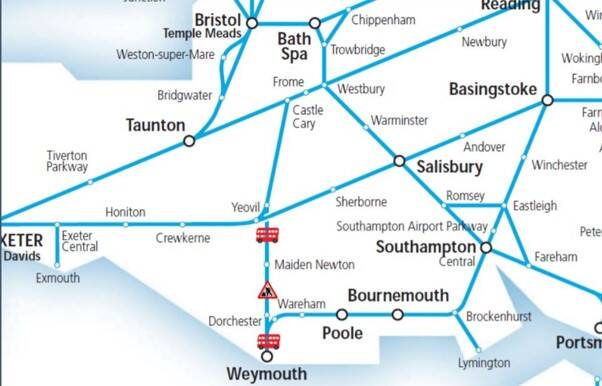
Image 1: a Network Rail map showing Yeovil (centre) and it's connecting lines

Image 2: a rail map showing Pen Mill, Yeovil Town and Yeovil Junction Stations
Due to the distance between the three separate railway stations and the rural setting of Yeovil and it's surroundings, taxi services were able to do a good business in the area. Rather than fighting to get onto the bus services with luggage, passengers could instead opt to select a driver from the taxi rank who would take both them and their luggage to their destination of choice, often transporting them out to the villages which surrounded Yeovil.
It was one of these drivers who would sadly become the focal point of an investigation which persists to this day. After his body was found on an isolated hillside in August 1963, police embarked on intense inquiries to find his killer and bring them to justice, but no-one has ever been arrested or charged.
In this casefile, we're going to talk about the murder of Stanley Blackmore.
Stanley Blackmore was born on 4th March 1897. There is very little about Stanley's life in the public domain, but one of his neighbours described him as a quiet man who was liked by everyone. His colleagues on the taxi rank called him an 'inoffensive, placid little man' and as a conscientious human being, and he was clearly well-respected and treasured by the friends he had made whilst working in the driving role.
Stanley was 66 years old in August 1963, and lived with his wife, Betty, in the small village of Bradford Abbas in north Dorset. The couple had four adult children - three boys and one girl - and the family patriarch was seen as a happy family man who loved to potter around in the garden. He stood at just 5ft tall, and had suffered with worsening asthma for many years, meaning that he had to take frequent breaks just walking around the garden. His medical condition eventually led to him retiring from his role at Yeovil Corporation waterworks six months prior to his death. After stepping away from this job, Stanley used some of his savings to purchase a second hand black-and-grey Morris Oxford car - registration number VOT 785 - and the new retiree became a one-man taxi service working in and around the area of Yeovil. As a self employed man, he brought home all of his takings at the end of the work day which helped to top up his pension and the household income.
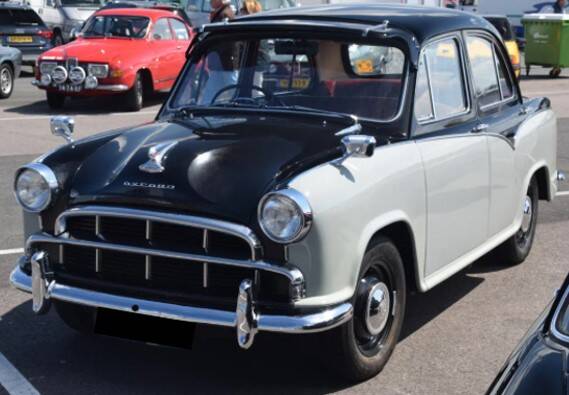
Image 3: an example of a black and grey Morris Oxford from the year 1957
The Disappearance
66-year-old Stanley left the cottage he shared with Betty on North Street, Bradford Abbas, during the morning of Friday 2nd August 1963. Betty would later remember the moment in an interview with the Sunday Express newspaper, describing her husband as cheerful and happy: '"I asked him to bring me back some shopping. I told him to get some bananas, biscuits and a TV book. He said 'that should be easy to remember - three B's'. He walked up the back garden, and had to stop twice to rest because of his asthma."' Stanley climbed into his Morris Oxford car and headed to Yeovil to start a shift ferrying passengers around the local area.
That same afternoon, Stanley's fellow taxi drivers became alarmed when he reported feeling unwell. They encouraged him to sit and rest for a while, but after a few minutes he shrugged off any concerns and headed off to pick up another fare. His taxi was seen in the village of Beer Hackett, approximately 5 miles from Pen Mill Station, at around 3:30pm that afternoon with a passenger in the back seat. He was spotted again dropping his last fare - an off-duty soldier - to Pen Mill Station between 4:55pm and 5pm. The final confirmed sighting of the 66-year-old was by a fellow taxi driver on Friday 2nd August, heading along Newton Road and away from the main town. Brian Hurley told the Sunday Express: '"I saw him at 5:10pm on a Friday. It was a fine afternoon and he was driving up towards the hill in his shirtsleeves. As we passed he grinned and gave me the thumbs-up sign. There was no-one else with him."'
Stanley Blackmore didn't return home that evening and still hadn't appeared by the morning of Saturday 3rd August, at which point his family alerted the police. It's unclear why the alarm wasn't raised sooner, but perhaps Betty had thought that Stanley was still working and had gone to bed, or fallen asleep on the sofa without realising that he still hadn't come home. Hindsight is a wonderful thing, and remember that this was in an era long before the invention of mobile phones, so if Stanley's car had broken down or he'd been delayed he would have had no way of making his wife aware.
Police were made aware that Stanley had asthma, and that he had told his colleagues that he had felt unwell during the Friday afternoon. Officers became concerned that he may have experienced a medical emergency somewhere on the side of the road, making the race to find the 66-year-old even more intense, as he would potentially have had no way to raise the alarm or seek help.
The Investigation
An appeal to the public for help finding Stanley's distinctive grey-and-black Morris Oxford brought forward a promising lead when someone reported having seen a similar vehicle parked in a quiet lane on Summerhouse Hill, adjoining an area of woodland known as Newton Copse. The road was reportedly used very little apart from those specifically looking for a quiet and isolated area, and culminated in a dead end by an 18th century Roundhouse - known locally as the Summerhouse - along with a since-demolished reservoir. Police attended the area and found Stanley's car - registration VOT 785 - abandoned in a gateway.
Image 4: a satellite view of Newton Road, with Summerhouse Hill to the left of Newton Copse
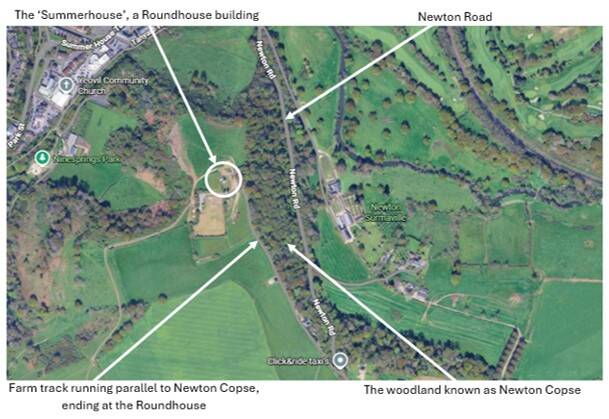
Whilst I can't find information online as to the specific lane where the Morris Oxford was located, or which lane is known as Summerhouse Lane, there are a couple of possibilities visible on Google Maps. There is a farm track running from Newton Road up towards the Roundhouse, which sits at the top of Summerhouse Hill. It's not clear if this is the lane in question, but this is the best match I can find which adjoins Newton Copse woodland. I've labelled an image to show the general layout of the area and to give a basic idea of it's close proximity to the edge of Yeovil town - a fact which will become significant later on.
The Morris Oxford was locked at the time police approached it but Stanley's keys were nowhere to be seen. Upon gaining access to the vehicle, officers found Stanley's neatly folded coat, shirt and tie, as well as his peaked cap and watch. They also located a packet of biscuits and a TV book, matching the list which Betty had asked him to bring home and indicating that he had made it to the shops before he went missing, but there was no sign of the bananas which had been the final item requested. The cushions on the drivers seat were in their usual position for the 5ft tall driver, but notably missing were Stanley's wallet - which would have contained his monetary takings for the day's work - and the man himself.
A couple of out-of-place items located on the back seat of the car aroused police interest - a woman's red Paisley print scarf, nine ignition keys and a Yale door key attached together with a piece of flex. Betty denied that the scarf was hers and didn't recognise it, and the string of keys were another mystery - Stanley only owned one car, and the Yale door key was unfamiliar to the Blackmore family.
Searches of the immediate area found the key to the Morris Oxford discarded under a hedge around a quarter of a mile from the vehicle, only adding to the gradually mounting questions. If Stanley had parked the car, where had he gone? Had the car key been tossed away deliberately, or fallen from his pocket? If it had been thrown away deliberately - why? The terrain was described as rough and wooded, and surely would have been an intense challenge for the man who had to stop for a rest twice on his way down the garden path - was it a realistic consideration that he may have parked his car and then walked away? Or had he perhaps got into a second car? The situation quickly became alarming, with various elements not adding up.

Image 5: an image of Summerhouse Hill looking across the south of Yeovil in the 1960s, with the Roundhouse visible in the bottom right of the photo
The search for the missing father-of-four intensified as the days passed. Authorities employed the help of tracker dogs, army troops, local civilians, holiday makers and a search helicopter, with frogmen even being drafted in to search the reservoir. The search radius was widened from the immediate area around Newton Copse and included more of Yeovil Country Park, including local beauty spot Nine Springs - containing nine pools of water, some of which were known to be very deep - and Constitutional Hill, the sloped terrain of which was covered in thick gorse bushes and provided a challenge to those involved. The search persisted for eight days with no sign of the taxi driver, with his family and friends desperate for answers. How could someone who could only walk a few metres without needing to sit down have vanished without a trace?
The answer, sadly, came from an off-duty soldier and his wife on 10th August 1963 when they found the decomposing body of an adult male in a village five miles to the south of Yeovil, and around four miles from where the Morris Oxford had been located. The pair had been searching for a good spot to go fishing when they made the horrifying discovery, and police were quickly called to the rural location.
Stanley Blackmore's body had been abandoned face down in a ditch near Bow Bridge, a short distance north of the Dorset village of Yetminster and a heartbreakingly close to his home in Bradford Abbas. Detectives and forensic officers flooded the normally peaceful area as they searched for evidence as to how the 66-year-old had come to be there, and how he had met with such a sad fate.
Image 6: a map showing key locations in Stanley Blackmore's case

Stanley's body was estimated to have lay in the open since he disappeared, meaning that it had been exposed to the summer heat and sunshine for eight days, with this hindering the investigation almost from the outset. Despite the level of decomposition present, police reported that it was apparent that he had been 'knocked about' - or beaten up - prior to his death, and it was quickly established that his cause of death was a single stab wound to the heart.
Searches of the area around Bow Bridge uncovered a 12-inch kitchen knife, described as having an 8-inch long blade which, although worn, had been sharpened to a point, and a 4-inch white bone handle with a chip in the end. The weapon, despite having no visible traces of blood, fell under immediate suspicion as being used in what was now a murder investigation, and it was rapidly sent to the South West Forensic Science Laboratory in Bristol for examination.
As we've seen in some of the older cases we've covered, the discovery of a body and the development of the investigation into a murder inquiry prompted police to contact Scotland Yard, who sent two experienced detectives to support the case. Detective Superintendent Bertram 'Bertie' Smith, head of Dorset CID, told the press: '"there are two counties involved, and we thought it wise to bring down the Yard."' With the discovery of Stanley's Morris Oxford in the county of Somerset and his body being found in the county of Dorset, the case crossed a county border and fell under the jurisdiction of two separate police forces, meaning that careful coordination was required to manage the staff involved and ensure that communication between the two authorities was well maintained. Having the over-arching support from Scotland Yard meant that the case was headed by professionals who worked with the most serious of cases and could coordinate and support those involved.
Detective Superintendent Samuel Newman and Detective Sergeant James Ogden travelled down to the West Country from New Scotland Yard in London, disembarking the train in the Dorset town of Sherborne, where an incident room had been set up in Sherborne Police Station. This hub was shortly moved to Yeovil Police Station, which arguably made much more sense, with Yeovil being the last place where Stanley was seen alive. Questionnaires were handed around to residents of both Sherborne and Yeovil, asking questions relating to the case in a bid to bring forward any witnesses who may have seen Stanley and his Morris Oxford after the last confirmed sighting at 5:10pm on Friday 2nd August.
Stanley had held a taxi stand at Pen Mill Station in Yeovil for six months prior to his death, and would have been recognised by many in the area. In addition to the questionnaires sent out to the 25,000 residents of Yeovil, fifty officers were sent out to complete door-to-door inquiries in the rural villages of north Dorset. With Stanley's body being located near Yetminster, it was possible that he had been driving anywhere between Yeovil and the village prior to his death.
An inquest into Stanley's death was opened on Tuesday 13th August 1963 in Yetminster Hall, just a short distance from Bow Bridge and the ditch where the taxi driver had been found. It was overseen by the West Dorset Coroner, as the body had been found across the Dorset border, and evidence was given on the opening day by Dr Albert Hunt that the man had been killed by a single stab wound to the heart. Beyond this, little else was presented on the opening day, with the Coroner adjourning proceedings to enable police to continue their investigation.
As well as completing house-to-house inquiries across Yeovil, Sherborne and rural Dorset villages, officers were attempting to trace the man who Stanley Blackmore had dropped at Pen Mill Station between 4:55pm and 5pm on Friday 2nd August. The fare - who had been an off-duty soldier in walking out uniform - was thought to have boarded a train shortly after being dropped off, but his onward location was unknown. During their efforts to identify the man, authorities made inquiries at nearby Houndstone Camp army depot, where 500 military men were stationed at the time. Although Stanley had been seen alive and well after dropping this man to Pen Mill Station, it was considered by police that he may have information which could help them to progress the case - such as Stanley's intended destination after stopping at the station taxi rank. We know that conversation between a taxi driver and his passenger can often help to pass the time, and it was considered entirely possible that Stanley may have mentioned his plans for the evening after he finished his shift.
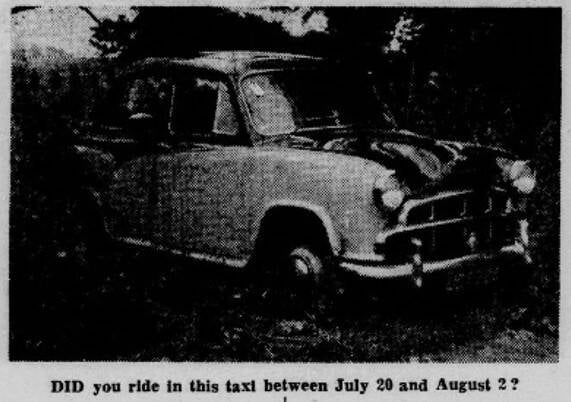
Image 7: an appeal in the Express and Echo including an image of Stanley's Morris Oxford
In addition to their search for the off-duty soldier, officers also appealed for information relating to a passenger seen in the back of Stanley's taxi earlier in the afternoon on 2nd August. The man had been seen in the cab when it drove through Yetminster and when it had stopped in the nearby village of Beer Hackett, where Stanley asked local resident Tom Perham if there was any good fishing in the area, and was confirmed as being a different man to the one he had dropped to the station at 5pm.
The passenger was described as being between 20 and 30 years old, with long brown or fair hair. He was wearing a brown knitted jacket over the top of a black t-shirt, with faded blue jeans. He was estimated to be between 5ft 6in and 5ft 9in tall, with broad shoulders and blue eyes.
Questions were raised as to how such a clear description of the man had been obtained when he had only been seen through the taxi window, but it would later transpire that authorities had more than one witness who had seen the passenger, one of whom would have their identity kept a closely guarded secret for several weeks for security reasons. It would later transpire to be a young girl who had been out walking with her 3-year-old brother, and who had seen the passenger getting out of the car.
The unknown male was dropped off in Beer Hackett at approximately 3:30pm that day, and officers considered whether Stanley Blackmore may have driven back out to the area after he had dropped the soldier to Pen Mill Station in order to pick the same man back up and return him to Yeovil. The distance between Beer Hackett and Yeovil would be between 4 and 5 miles, perhaps a little too far for someone who did not know the area to have walked - so was it possible that the fare had arranged for Stanley to return later in the day to collect him? If so, it's likely that this arrangement would have been made at the time the passenger was dropped off, as he would not have had access to a phone - save for any phone boxes in the area.
As more than 150 officers continued their door-to-door inquiries in Yeovil, yet more were still searching the area around where Stanley's body had been located. The taxi driver's wallet was still missing, with a description published in the press indicating that it was a brown leather fold-over design, and was embossed with the words 'driving license and insurance' above the Weston-Super-Mare town crest. His family reported that the wallet would have contained his driving license and insurance certificate, with his taxi colleagues adding that it would also have contained his day's takings - estimated to be between £5 and £10, or between £90 and £180 today, certainly not an insignificant sum at the time. The reason for the Weston-Super-Mare crest was unknown, with the item perhaps having been purchased whilst on holiday or maybe being given to the taxi driver as a gift, and doesn't seem to bear any relevance to the case.
Detective Superintendent Samuel Newman, of Scotland Yard, felt sure that Stanley's killer had arrived in and left the Yeovil area by train. His working theory was that the killer had left the body of the 66-year-old in the ditch near Bow Bridge, then had driven the victims own car to the lane near Newton Copse and parked it in a gateway before discarding the car keys on their way down the hill. The culprit had then most likely headed to the train station to make their exit from the Yeovil area. Which train station the killer had used was still a mystery - Summerhill Lane was within reach of Yeovil Junction, Yeovil Pen Mill or Yeovil Town stations, which each railway line taking the passenger in a different direction.
As a result of this theory, officers were dispatched to multiple train stations across the West Country in an attempt to trace a man who may have disembarked from a train originating in Yeovil on Friday 2nd August, or someone who had been heading to the Yeovil area in the lead up to the murder.
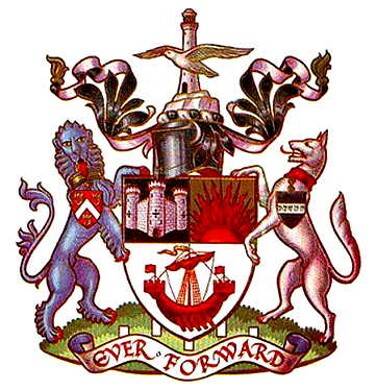
Image 8: the Weston-Super-Mare town crest, a copy of which was embossed on Stanley's wallet
As inquiries along this line of thinking continued, police informed the press that they believed the culprit may have been collected from Yeovil Town station at around 3:14pm on Friday 2nd August. The journey to Beer Hackett from this station would have taken approximately ten minutes, giving ample time for the passenger to be seen getting out of the Morris Oxford at 3:30pm, even if they had reportedly stopped to ask for advice on fishing locations. On Wednesday 14th August, newspaper articles stated that to reach Yeovil Town station at the required time, the suspect would have had to arrive at Yeovil Junction and then taken a link train across, meaning that the origin of his journey was either somewhere along the line to Exeter, or in the other direction to Brighton via Salisbury, journeys which would ultimately have meant that the passenger arrived at the designated time. Officers must have been certain that the person in question arrived at Yeovil Junction, as it would have been equally feasible for someone to have reached Yeovil Town station from Pen Mill, which could have put their origin of travel in a different direction.
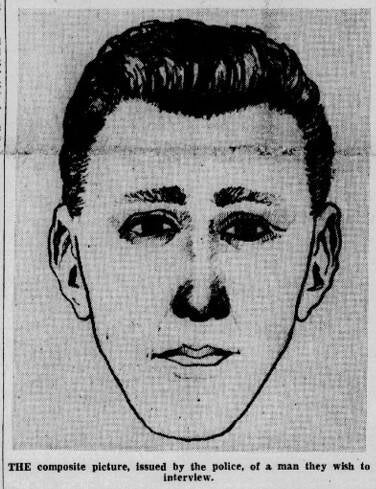
Image 9: a sketch of the man seen getting out of the Morris Oxford at 3:30pm in Beer Hackett
With this theory in place - and little else to go off - officers were dispatched to stations along the line to Exeter, and in the other direction towards Brighton, armed with a composite sketch of the man seen climbing out of Stanley's taxi at 3:30pm on Friday 2nd August, seeking any witnesses who had seen him boarding a train to, or disembarking a train from, the Yeovil area. Detective Superintendent Newman was quoted as saying: '"if our theories are right this man was in the area for at least two hours. Someone must have seen him."'
At the same time as officers were trawling train stations along the south coast of England, an 18-year-old man was picked up by police on his way to work in Yeovil and was interviewed at the police station for more than 7 hours. An identity parade was completed during the same evening, with a handful of soldiers from the Houndstone camp seen climbing down from an army lorry at 8:40pm, each dressed in blue jeans and a pullover, having reportedly volunteered to take part. At 11:20pm on 13th August, Detective Sergeant James Ogden gave a statement to the crowd of media, cameramen and onlookers who had gathered outside the police headquarters in South Street, announcing that the 18-year-old had taken part in an identity parade but had not been picked out of the line-up, meaning that he had no involvement in the case and had been released without charge.
The questioning of this young man led to a series of revelations in the investigation, with none of them being positive. It transpired that two young men had been seen at Yeovil Town station with similar hairstyles and in similar clothing shortly after 3pm on Friday 2nd August, leading police to deduce that the interviewing of the 18-year-old had been nothing more than a case of mistaken identity. This mishap was compounded upon when it transpired that another resident of Bradford Abbas - the same village where Stanley Blackmore lived - owned a grey-and-black Morris Oxford and had been seen driving around Yeovil on the day when the taxi driver went missing. Deciphering the actual sightings of the taxi passenger dropped off in Beer Hackett, and the sightings of Stanley in his Morris Oxford, became even more of a challenge against the newly identified red herrings.
Desperate to get the case back on track, fingerprints were taken from anyone who had come forward to answer the appeal for passengers who had travelled in Stanley Blackmore's cab in the days prior to his death. These prints were sent to the forensics laboratory in Bristol for comparison to any which had been pulled from the car, enabling authorities to narrow down any which may have belonged to the unidentified male dropped off in Beer Hackett. Any prints which could not be accounted for may, potentially, be able to be linked to a suspect. They also spoke to local fishermen in Yetminster, and made a public appeal for anyone who had been fishing in the area, to take a look at images of the knife found near Stanley's body in case they may know who it belonged to, as it was strongly suspected that it could be an implement used to gut fish.
With extensive investigative work going on in Yeovil, Stanley Blackmore's family and friends prepared to lay their loved one to rest. On Friday 16th August 1963, a service was held at the church of St. Mary in Bradford Abbas, just a short distance from the cottage he shared with his wife. Four taxicab drivers acted as pallbearers at the ceremony, with attendees including former colleagues from the Yeovil Corporation waterworks, employees of the Southern National Omnibus Co. Ltd, fellow taxi drivers, friends and family. As was standard practice, police officers in plain clothes discreetly joined the congregation in case the suspect could be spotted amongst the crowd. Stanley was interred in the churchyard, with his grave marked by a plaque as a lasting memorial for the much-loved, gentle man.
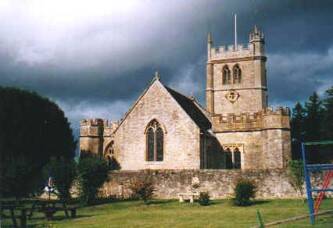
Image 10: St. Mary's Church in Bradford Abbas
Across the weekend of 17th and 18th August 1963 an additional 100 police officers were drafted in to boost the numbers taking part in the investigation, with house-to-house inquiries continuing across Yeovil as authorities attempted to make sure that as many people as possible were shown the sketch of the fair-haired man. The questionnaires which had been completed and returned were being trawled through by detectives, who were reading the responses to questions such as 'have you seen this man or this knife?' and 'where were you on August 2nd?'
Whether it was as a result of an answer they received in the questionnaires from the public or whether it was a result of police intelligence, authorities made an appeal on Monday 19th August to speak to a man with the surname 'McCann' - thought to be one of several aliases.
The man in question had arrived in Yeovil via train along with his girlfriend, with the pair disembarking the London train at Pen Mill Station at 8:30pm on Tuesday 30th July, from where they took a bus into town. The man was seen heading into a Yeovil sports shop owned by Mr Wilfred Gatehouse on Wednesday 31st July, where he enquired about obtaining a fishing license for the waters of the Yeovil Angling Society, ultimately purchasing a license which encompassed the area around Bow Bridge. During his visit to the sports shop, the man reportedly asked for information about taxis which could take him to the more rural areas outside of Yeovil in search of quiet fishing spots.
The man was described as being between 5ft 9in and 5ft 11in tall, was well-built and had dark hair. At the time he went into the sports shop, he was dressed in blue jeans with a brown knitted pullover with Italian-style pointed shoes. He was noted to have distinctive tattoos on both arms and was deemed to be in his mid 20s. His girlfriend was considerably younger and thought to be in her late teens, described as being 5ft 4in tall and wearing a plain blue dress. The pair were last seen in Yeovil on Saturday 3rd August, the same day as Stanley's taxi was found by police, meaning that they had been staying in the area for 4 nights.
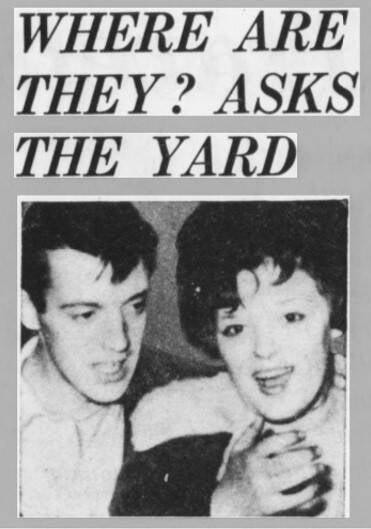
Image 11: image printed in the Daily Express on Tuesday 20th August 1963
The public appeal for information led to police identifying the pair as 24-year-old Terence John Hatch and 18-year-old Laraine Westcott, both of whom were reported missing from their respective homes at the time when they were known to be in Yeovil, leading to difficulties for police when attempting to contact them. Without modern methods of communication, and with the couple having left the Yeovil area shortly after Stanley had died, they had in excess of two weeks' lead over the detectives who were trying to track them down, and could have made it to anywhere in the UK - or abroad - within that time. The last reported sighting of either of them trickled in from 5th August, when Terence Hatch was spotted in Bridgewater, closer to England's west coast.
An image of the couple was circulated in national newspapers as police attempted to trace them and Laraine's father - Tom Westcott - appealed for his daughter to come forward. She had reportedly left the family home in Bethnal Green, London, a month prior and had been travelling around with Terence Hatch in the meantime, with Tom Westcott saying: '"my wife Joan and I appeal to her to come to her senses and contact us right away. We are terrified she may come to harm."' In contrast, Terence Hatch's father told the press: '"the boy has not lived here for years. He has not telephoned and I have no idea where he is."'
With rumours circulating as to why police were so keen to trace the pair in relation to Stanley Blackmore's murder, Detective Superintendent Newman insisted that the pair were not wanted on criminal charges, stating: '"I must emphasise that the young man is NOT a wanted man. We have reason to believe he and the girl were in Yeovil between July 30 and August 3. We think they may be able to help us narrow the gap between the time - about 5pm - that Mr Blackmore was seen in Yeovil on August 2nd and 6pm the same day, when his taxi was found parked outside the town. We also think he and the girl can help us in our general inquiries."'
It took less than a week for police to track down the young couple, with Hatch and Westcott being located in Perth, Scotland. Detective Superintendent Bertram Smith and Detective Superintendent Samuel Newman travelled to the north by aeroplane in order to interview the pair about their activities during their time in the county of Somerset. However, this manhunt and the subsequent questioning yielded no answers for the Stanley Blackmore case. Hatch and Westcott were conveyed back to London, where Laraine was returned to her parent's home and Terence Hatch was held in custody on charges of breaching his probation, with a date booked for him to appear in front of a judge in Tower Bridge Court. Detective Superintendent Smith said of Hatch: '"he has been interviewed but has been unable to help. Now there must be no slackening off in our inquiries. In fact our efforts to trace the murderer must be intensified."'
There is little information in the public domain as to what questions were asked of Terence Hatch, and what information he provided which led to police concluding that he could not help them in their inquiries. One would imagine that he had a solid alibi for the time when Stanley would likely have been murdered, as there was no further mention of him in this case.
The investigation persisted, with Detective Superintendent Bertram Smith and Detective Sergeant James Ogden travelling to Bristol to meet staff at the forensics laboratory regarding fingerprinting results, and a conference being held between senior detectives in the case to lay all of the information they had gathered out in the same place. Despite all of this, by Wednesday 28th August there was a rippling feeling that officers had - effectively - arrived back at square one. They had no suspects, no leads, and no new information coming forward to help the case progress. The eight days between Stanley going missing and his body being found were damaging to the investigation - not only could the person who committed the crime have fled the area and headed practically anywhere, but evidence which may have existed on Stanley's body would have been exposed to the elements, with decomposition limiting the amount of forensic material which could be obtained.
In what appeared to be something of a last-ditch attempt to bring forward new witnesses, police arranged a second house-to-house sweep of the Yetminster area, hoping that someone new may come forward with information.
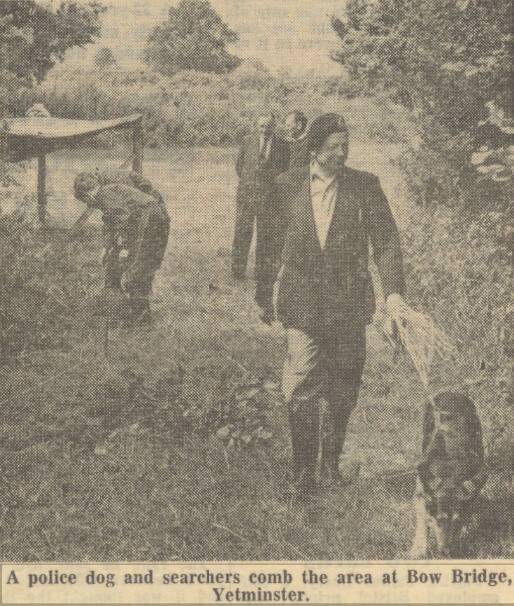
Image 12: image printed in the Bristol Evening Post on Monday 12th August 1963
Detective Superintendent Newman said: '"we can only hope that someone will have second thoughts or that people back from holiday may recall something about the afternoon of August 2 that will help. There is bound to be a break-through some time."' Despite this positivity, he described the case as '"terribly baffling"', adding: '"I haven't had anything so difficult before, but I feel certain that if the answer is going to be found, it will be in the Yetminster area."'
The search for the off-duty soldier who Stanley had dropped to Pen Mill Station at around 5pm on 2nd August had extended to Dublin, Ireland, and across to mainland Europe with attempts to trace him in Germany. He was ultimately found and proved to have no information which could help the investigation. Officers even interviewed groups of Boy Scouts who had camped in the Yetminster area around the time when Stanley would have been killed, just in case they had seen anything which could prove to be relevant, with Newman saying: '"we thought they might have seen something or someone, but they were unable to help."'
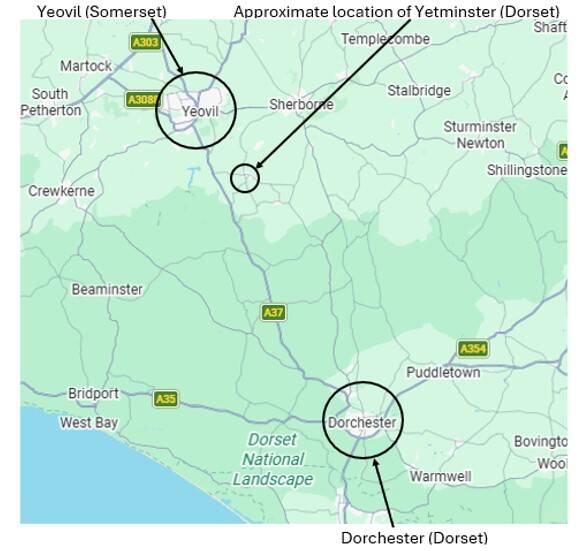
Image 13: map showing the locations of Yeovil, Yetminster and Dorchester
By the beginning of September, police were having to seriously reconsider their theory that Stanley had picked the fair-haired man up again at Beer Hackett between 5:10pm and 6pm, and that he had been killed near Bow Bridge. No-one had come forward to say that they had seen the Morris Oxford in the areas of Yetminster or Thornford between 5pm and 6pm on 2nd August, so it was entirely possible that Stanley hadn't been driving his car in the vicinity at that time. The headquarters of the investigation was again moved - this time from Yeovil in Somerset to the town of Dorchester in Dorset, where Detective Superintendent Bertram Smith had his office. Scotland Yard officers took a step back from the case, which had now been running for a full calendar month without resolution. Although positive news was received from the forensics laboratory in Bristol that the knife found at the scene had been confirmed as the murder weapon, Stanley's wallet remained missing and no further progress had been made in identifying the keys or scarf found in his car.
With forensics teams felt to have garnered as much information and evidence as they could from the Morris Oxford, the car was transferred to Guppy's Garage in Sherborne Road, Yeovil, with Mr Guppy stating that he hoped to sell the car and the taxi business on behalf of Betty Blackmore.
The inquest into Stanley Blackmore's death was reopened in October 1963 in front of a jury of seven men and the West Dorset Coroner. Unsurprisingly, on 17th October a verdict was returned of 'murder by some person or persons unknown'.
Where is the case now?
Several months after Stanley's murder, the media stirred when there was suggestion of a significant development in the case - but this never seemed to transpire into anything of note. His wallet, embossed with the crest of the town of Weston-Super-Mare and containing his day's takings, has never been found. As far as we know, the owner of the keys and the scarf found in the Morris Oxford has never been identified, nor has the fair-haired man who was seen getting out of the taxi in Beer Hackett on the afternoon of Friday 2nd August 1963.
Authorities have never been able to fill in two key gaps in Stanley's afternoon - the first being between 3:30pm when he dropped a fare to Beer Hackett, and 5pm when he delivered the off-duty soldier to Pen Mill Station, and the second being between 5:10pm, when he was last seen alive, and 6pm when his car was first noted to be near Newton Copse.
It would surely be reasonable to consider that the off-duty soldier transported to Pen Mill Station had been collected from Houndstone Camp or its neighbouring Lufton Camp on the west side of Yeovil. Houndstone Camp occupied the land which has now been taken over by Yeovil Town Football Club and a series of housing estates, with the travel time between this site and Pen Mill Station being around twelve minutes today - perhaps a couple of minutes less during 1963 due to the area being a little less built up and with less traffic on the roads. This would have meant that Stanley may have picked the soldier up at around 4:40pm on Friday 2nd August in order to get him to Pen Mill Station between 4:55pm and 5pm. So, where was Stanley between 3:30pm - when he dropped the fair-haired man to Beer Hackett - and 4:40pm? With over an hour in between transporting these known passengers, he could have completed at least one or perhaps two more fares. Have these people ever come forward to police? Could Stanley have disclosed what his plans were for that evening? Could these people have provided any information of value?
We know that Stanley managed to get to the shop to pick up the items requested by his wife, as biscuits and a Radio Times magazine were found in the Morris Oxford, although which store he visited has either never been established or never been publicly released by police. Knowing where he made these purchases, and when, could help to narrow down the timeline of when he was attacked and when his body was left by Bow Bridge, or it could be irrelevant. It's possible that he took time out of his work day to go to the shop between 3:30pm and 5pm, when many of the shops would have been open, but it's also possible that he visited the shop just after he left Pen Mill Station at 5pm. We know that he was seen driving along Newton Road at 5:10pm, and we must assume that this was heading away from Yeovil as he was leaving the area of Pen Mill Station. Newton Road quickly heads from the urban setting of the town into more rural villages and countryside, so it is worth considering that shopping opportunities outside of the town may have been more limited, but not impossible.
As with any unsolved case, the possibilities are truly endless. Stanley wasn't reported to have any enemies, and theft is generally suspected to be the most likely motive behind the crime. Was it possible that he had gone to the shop after he dropped the off-duty soldier to Pen Mill Station, and someone had seen the cash in his wallet before deciding to rob the man? Had someone perhaps chanced their luck and flagged down a taxi in the hopes not of obtaining a ride, but taking whatever money was available in the cab? All transactions would have been completed in cash in the 1960s, meaning that there was a high chance that the cabbie would have his earnings on his person.
We know that Stanley died sometime after 5:10pm on Friday 2nd August 1963, but it's not really possible to narrow it down any further. Yes, his Morris Oxford was first seen near Newton Copse less than an hour later, but it doesn't mean that Stanley was dead by that time - it's entirely possible that he had been taken away in another vehicle. It would be interesting to know whether any blood was found in the Morris Oxford, but again this is information which has never been released to the public. If Stanley's blood was found in his cab, then one could conclude that he was either attacked there or put into his own car before his body was disposed of. Without any trace of blood in the Morris Oxford, however, it would have to be considered that another vehicle was involved.
It's worth mentioning, though, that a couple of shillings were found in the pockets of the clothing which Stanley was wearing when his body was discovered. If the motive was simply theft, why would the killer have left any money behind? Surely every penny would have been taken from the man? And why kill him over a few pounds? The post-mortem indicated that he had been beaten prior to his death - surely that would be enough to put such a fright into the 66-year-old that he wouldn't go rushing to police? We know that he struggled with severe asthma and that it was unlikely that he would put up much of a fight, so why not just take the money and leave? Had Stanley tried to stop the person from taking his cab, and the attacker had stabbed him?
Police believe that the killer left Stanley's car along Summerhouse Lane and then headed on foot to a local station where they left the area by train. But is it possible that they may have been local, and perhaps headed to a property in Yeovil or one of the surrounding villages on foot? Were they perhaps driven away from the area by an accomplice? Is it even possible that it was someone known to the cab driver?
Most of the information gathered as part of this investigation remains on the shelves of police archives, waiting in a cold case file. We can only guess what happened to the man who was described by friends as being placid and gentle, and who continued to seek an income for his family despite struggling with the effects of a severe lung condition. Stanley Blackmore should have driven home with his shopping on Friday 2nd August 1963, sat for dinner with his wife and perhaps pottered around the garden he loved so much, or put his feet up after a day of work. He should not have ended his days in a ditch in the Dorset countryside, and his family and friends should not have been left without answers.
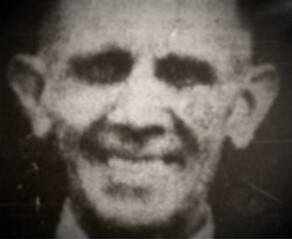
Image 14: Stanley Blackmore
It's entirely possible that the person responsible for this crime has now passed away, but depending on their age at the time the crime was committed there is still a chance that they could be alive. There's still a chance that someone remembers something, or that someone knows the identity of Stanley's killer.
Stanley's remaining family deserve answers as to what happened to their loved one. His friends - many of whom may have passed on after so many years - had hoped for some kind of resolution. Stanley's case deserves to be solved, and the man who is buried in the churchyard near the home he shared with his wife deserves to rest peacefully in his grave.
If you have any information about the death of Stanley Blackmore, who was murdered on or around Friday 2nd August 1963, please contact Somerset or Dorset Police on 101 or by heading to their respective websites:
Avon and Somerset Police
Home | Dorset Police
You can also submit information anonymously by calling CrimeStoppers on 0800 555 111, or by using their anonymous online form: Giving information anonymously | Crimestoppers
References for text:
Yeovil's Virtual Museum, the A-to-Z of Yeovil's History - by Bob Osborn
Stanley Blackmore – Crime Immemorial
Dorset's Mysterious And Unsolved Murders - Dorset Eye
Yeovil Pen Mill railway station - Wikipedia
British Newspaper Archive:
Express and Echo, published Monday 5th August 1963, retrieved 4th September 2026
Express and Echo, published Wednesday 7th August 1963, retrieved 4th September 2026
Sunday Express, published Sunday 11th August 1963, retrieved 4th September 2026
Hartlepool Northern Daily Mail, published Monday 12th August 1963, retrieved 4th September 2026
Evening News (London), published Monday 12th August 1963, retrieved 4th September 2026
Dundee Courier, published Monday 12th August 1963, retrieved 4th September 2026
The Scotsman, published Monday 12th August 1963, retrieved 4th September 2026
Bristol Evening Post, published Monday 12th August 1963, retrieved 4th September 2026
Express and Echo, published Monday 12th August 1963, retrieved 4th September 2026
Liverpool Daily Post, published Monday 12th August 1963, retrieved 6th September 2026
Evening News (London), published Tuesday 13th August 1963, retrieved 6th September 2026
Peterborough Evening Telegraph, published Tuesday 13th August 1963, retrieved 7th September 2026
Express and Echo, published Tuesday 13th August 1963, retrieved 7th September 2026
Bristol Evening Post, published Wednesday 14th August 1963, retrieved 7th September 2026
Daily Mirror, published Wednesday 14th August 1963, retrieved 7th September 2026
Express and Echo, published Wednesday 14th August 1963, retrieved 7th September 2026
Hull Daily Mail, published Wednesday 14th August 1963, retrieved 7th September 2026
Express and Echo, published Thursday 15th August 1963, retrieved 7th September 2026
Express and Echo, published Friday 16th August 1963, retrieved 7th September 2026
Peterborough Evening Telegraph, published Saturday 17th August 1963, retrieved 7th September 2026
Express and Echo, published Saturday 17th August 1963, retrieved 7th September 2026
Sunday Express, published Sunday 18th August 1963, retrieved 7th September 2026
Bristol Evening Post, published Monday 19th August 1963, retrieved 7th September 2026
Express and Echo, published Monday 19th August 1963, retrieved 7th September 2026
Daily Express, published Wednesday 21st August 1963, retrieved 7th September 2026
Express and Echo, published Thursday 22nd August 1963, retrieved 8th September 2026
Bristol Evening Post, published Saturday 24th August 1963, retrieved 8th September 2026
Dundee Courier, published Saturday 24th August 1963, retrieved 8th September 2026
Bristol Evening Post, published Wednesday 28th August 1963, retrieved 8th September 2026
Express and Echo, published Friday 30th August 1963, retrieved 8th September 2026
Express and Echo, published Saturday 31st August 1963, retrieved 8th September 2026
Express and Echo, published Tuesday 3rd September 1963, retrieved 8th September 2026
Western Daily Press, published Tuesday 17th September 1963, retrieved 8th September 2026
Sunday Mirror, published Sunday 22nd September 1963, retrieved 8th September 2026
Western Daily Press, published Monday 23rd September 1963, retrieved 8th September 2026
Credit for images:
Image 1 - Network Rail map: courtesy of Network Rail No Great Western Railway trains between Yeovil Pen Mill and Weymouth today Sunday October 22 due to engineering works on the line | Somerset Live
Image 2 - rail map of Yeovil: Yeovil's Virtual Museum, the A-to-Z of Yeovil's History - by Bob Osborn
Image 3 - example of a black and grey Morris Oxford (1957): autoblog.nl/spot/2020/03/morris-oxford
Image 4 - satellite view of Newton Road and Summerhouse Hill: image from Google Maps with endorsements by the author
Image 5 - Summerhouse Hill overlooking the south of Yeovil (1960s): Yeovil's Virtual Museum, the A-to-Z of Yeovil's History - by Bob Osborn
Image 6 - map showing key locations in the case: image from Google Maps with endorsements by the author
Image 7 - an appeal in the Express and Echo newspaper: printed on Friday 16th August 1963
Image 8 - the Weston-Super-Mare town crest: CIVIC HERALDRY OF ENGLAND AND WALES - SOUTH WEST REGION
Image 9 - a sketch of the man seen getting out of the Morris Oxford in Beer Hackett: printed in the Express and Echo newspaper on Monday 19th August 1963
Image 10 - St. Mary's Church in Bradford Abbas: Bradford Abbas Parish Dorset (image by Caryl Parsons)
Image 11 - image of Terence Hatch and Laraine Westcott: printed in the Daily Express on 20th August 1963
Image 12 - image of officers searching the Yetminster area: printed in the Bristol Evening Post on Monday 12th August 1963
Image 13 - map showing Yeovil, Yetminster and Dorchester: from Google maps with endorsements by the author
Image 14 - Stanley Blackmore: Yeovil's Virtual Museum, the A-to-Z of Yeovil's History - by Bob Osborn
Add comment
Comments